
PBPKSuite Capabilities

  • Build Whole-Body PBPK Models

    Simulate drug distribution and elimination across individual tissues using compound-specific properties and physiologically relevant parameters. Apply models across preclinical species and human populations, including pediatric populations and physiological states such as obesity, renal impairment, and liver disease.


  • Characterize and Calibrate Drug PK

    Analyze observed IV and oral concentration-time data using noncompartmental and compartmental approaches, then use those results to inform mechanistic simulations.

    Estimate PK, PBPK, absorption, formulation, physiological, and other parameters against observed plasma or tissue data. Fit individual or multiple datasets and use sensitivity analysis to identify the parameters with the greatest influence on model behavior.

  • Model Metabolism, Transport, and Metabolites

    Represent saturable metabolism and carrier-mediated influx and efflux transport within the gastrointestinal tract, liver, and other tissues. Incorporate enzyme and transporter kinetics and account for differences in expression across tissues and species.

    Track parent compounds and multiple metabolites within the same simulation to investigate how interconnected disposition pathways influence systemic and tissue exposure.

  • Translate In Vitro Data to In Vivo Models

    Use mechanistic models of permeability, transporter, metabolism, and hepatocyte experiments to characterize processes including passive and active permeability, intracellular concentrations, lysosomal trapping, biliary excretion, diffusional clearance, and enzyme or transporter kinetics.

    Translate experimental results into parameters that inform GastroPlus absorption and PBPK models, strengthening the connection between laboratory observations and simulations of in vivo

  • Explore Populations and Development Scenarios

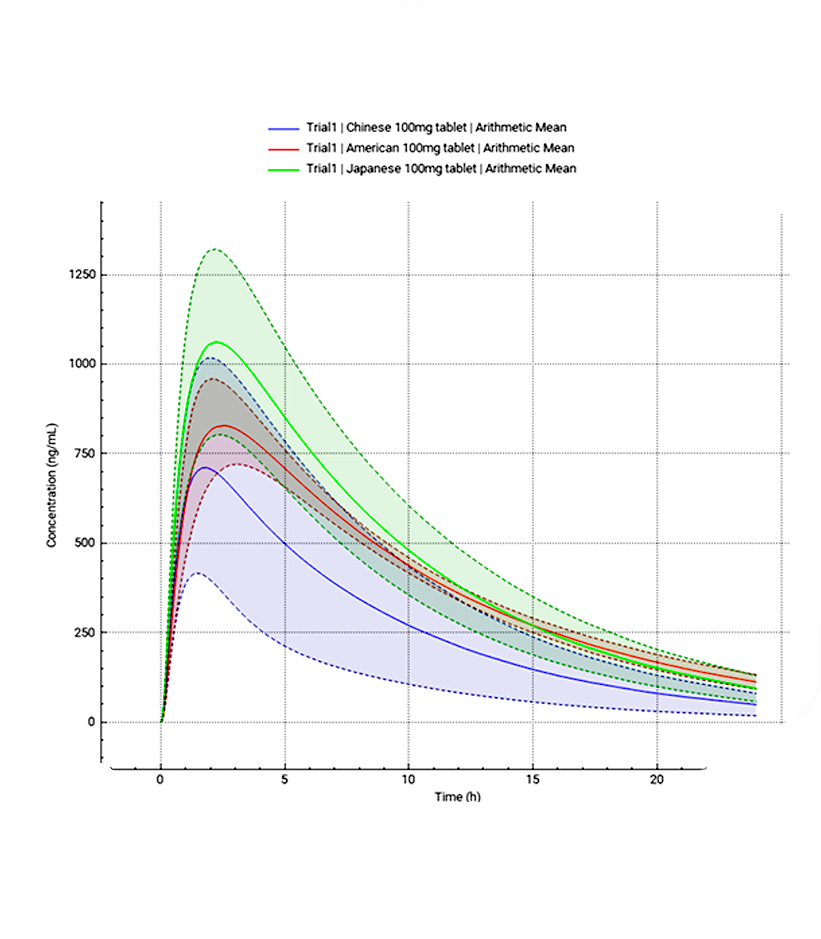
    Generate virtual populations to investigate variability associated with physiology and compound-specific properties. Explore differences across species, age, sex, body size, and disease states, as well as alternative dose levels and dosing regimens.

    Use the resulting simulations to investigate how changes in physiology, drug properties, metabolism, transport, and other model assumptions may influence plasma and tissue exposure.

Resources