
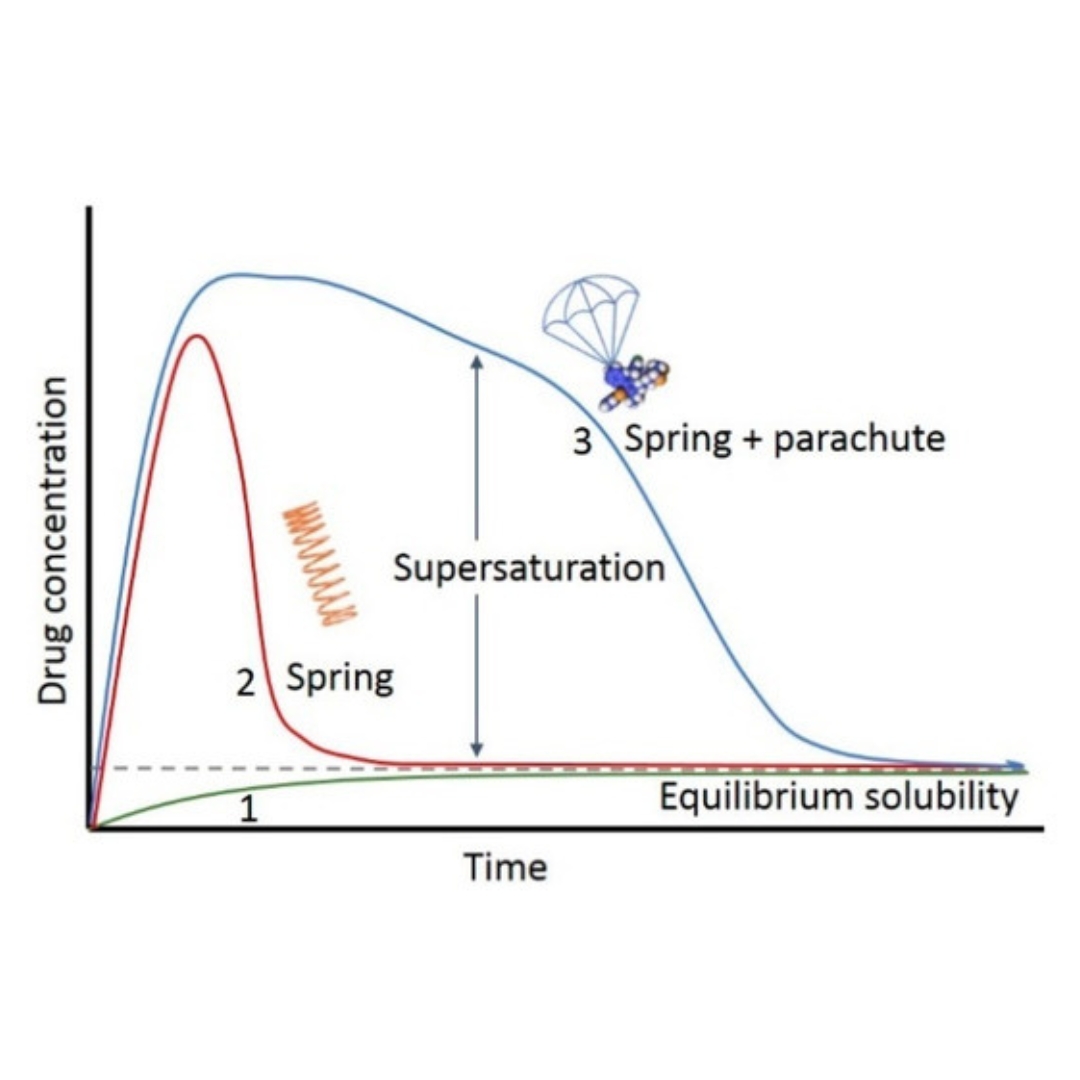
Supersaturation is a promising strategy to improve gastrointestinal absorption of poorly water-soluble drugs. Supersaturation is a metastable state and therefore dissolved...
Mechanistic Modeling of Ophthalmic, Nasal, Injectable, and Implant Generic Drug Products: A Workshop Summary Report
For approval, a proposed generic drug product must demonstrate it is bioequivalent (BE) to the reference listed drug (RLD) product. For locally acting drug products...
Metabolic Evaluation of Synthetic Opioids on the Example of U-47700 with the Use of In Vitro and In Vivo Methods for Forensic Toxicology Application
Legal highs present a great threat to health, especially in groups of people experimenting with psychoactive substances.
Design, Synthesis, and Neuroprotective Activity of Phenoxyindole Derivatives on Antiamyloid Beta (Aβ) Aggregation, Antiacetylcholinesterase, and Antioxidant Activities
In this investigation, a number of phenoxyindole derivatives were designed, synthesized, and tested for their neuroprotective ability on SK-N-SH cells against ...
Current State and Opportunities with Long-acting Injectables: Industry Perspectives from the Innovation and Quality Consortium “Long-Acting Injectables” Working Group
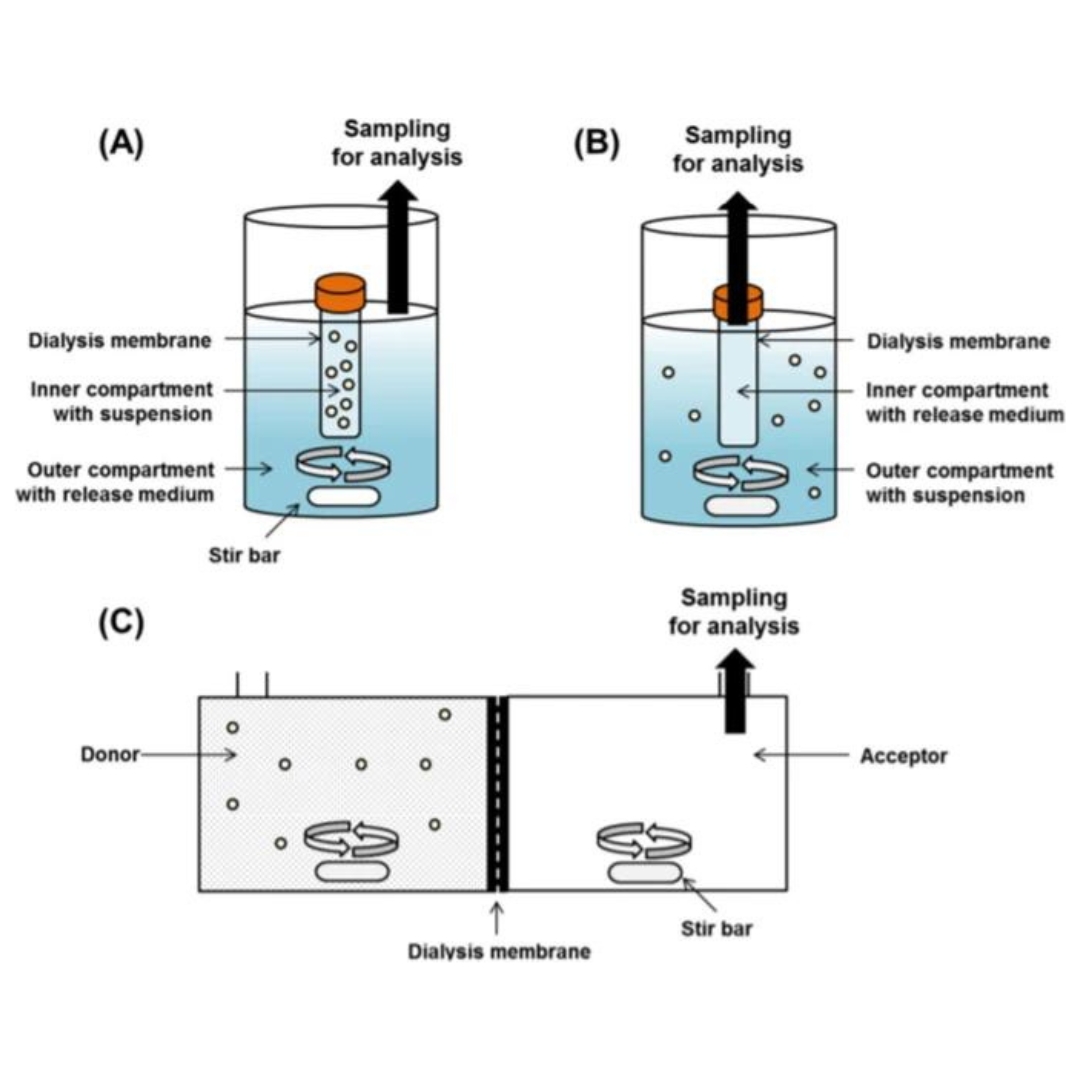
Long-acting injectable (LAI) formulations can provide several advantages over the more traditional oral formulation as drug product opportunities. LAI formulations...
Assessment of food effects during clinical development
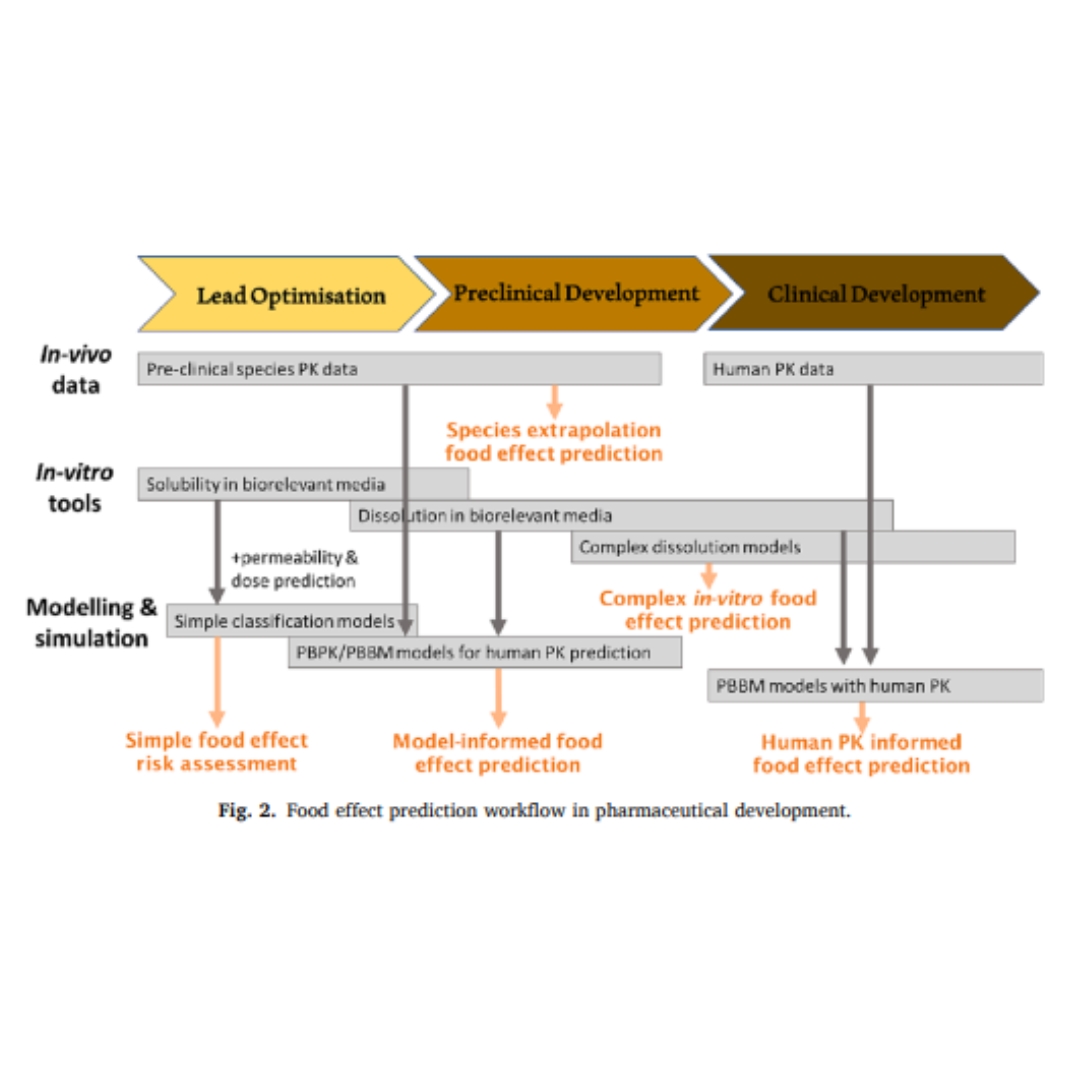
Food-drug interactions frequently hamper oral drug development due to various physicochemical, physiological and formulation-dependent mechanisms.
Model-Informed Compound Development Track: All-Presenter Panel Discussion
Session panelists include: Xiaoqing (Shaw-ching) Chang, Michael Bartels, Cecilia Tan, Hisham El-Masri, and Hequan Li
Real World Impact + Regulatory Decision Making Track: All-Presenter Panel Discussion
Session panelists include: Jonathan Chauvin, Xavier Pepin, Maxime Le Merdy, Luiza Novaes Borges, Laurence Del Frari, Tausif Ahmed, and Frederico Martins.
On Demand: The Fundamentals of Power Partnerships
Presented by Nate Musser at MIDD+ 2023 on Thursday, February 16th.
Real World Impact + Regulatory Decision Making Track: PBBM Applications to Support Regulatory Interactions
Presented by Luiza Novaes Borges, ANVISA at MIDD+ 2023 on Thursday, February 16th.
Model-Informed Compound Development Track: Application of PBK Modeling and QIVIVE for Prioritization of Chemicals for Toxicity Testing
Presented by Xiaoqing Chang, Inotiv at MIDD+ 2023 on Thursday, February 16th.
On Demand: Making Modeling & Simulation an Everyday Habit in Your Organization
Presented by Denise Morris at MIDD+ 2023 on Thursday, February 16th.
Real World Impact + Regulatory Decision Making Track Poster Presentation: Building of Encorafenib Physiologically Based Pharmacokinetic Model and its Qualification to Predict Drug Drug Interaction with Posaconazole
Presented by Laurence Del Frari, Pierre Fabre at MIDD+ 2023 on Thursday, February 16th.
On Demand: Real World Impact + Regulatory Decision Making Track: Application of PBBM Modeling in Generic Product Development: Regulatory Applications and Case Studies
Presented by Tausif Ahmed, Dr. Reddy's Laboratories at MIDD+ 2023 on Thursday, February 16th.
Model-Informed Compound Development Track: PBPK Regulatory Applications
Presented by Cecilia Tan, EPA at MIDD+ 2023 on Thursday, February 16th.
Model-Informed Compound Development Track: A Biologically Based Model to Quantitatively Assess the Role of the Nuclear Receptors Liver X (LXR), and Pregnane X (PXR) on Chemically Induced Hepatic Steatosis
Presented by Hisham El-Masri, EPA at MIDD+ 2023 on Thursday, February 16th.
Real World Impact + Regulatory Decision Making Track: GastroPlus® Simulations to Monolix™ for Trial Design
Presented by Jonathan Chauvin and Maxime Le Merdy at MIDD+ 2023 on Thursday, February 16th.
Model-Informed Compound Development Track: The Journey Towards Confidence—Bottom Up PBK Modeling for Benzophenone 4
Presented by Hequn Li, Unilever at MIDD+ 2023 on Thursday, February 16th.
Real World Impact + Regulatory Decision Making Track: Advantages of PBBM and PKPD Modeling to Define Dissolution Safe Space
Presented by Xavier Pepin at MIDD+ 2023 on Thursday, February 16th.
Real World Impact + Regulatory Decision-Making Track: Generics for Emerging Markets and Beyond
Presented by Frederico Martins at MIDD+ 2023 on Thursday, February 16th.