

Simulations Plus, Inc. (Nasdaq: SLP) (“Simulations Plus” or the “Company”), a global leader in model-informed and AI-accelerated drug development that advances biopharma innovation, announced the expiration of the waiting period...

DILI-sim Initiative
Join the DILI-sim Consortium to have a front row seat as we launch a new chapter in the scientific development of the DILIsym model. In the next three years (2027-2030), we will make major advancements to address emerging areas of liver safety concerns.
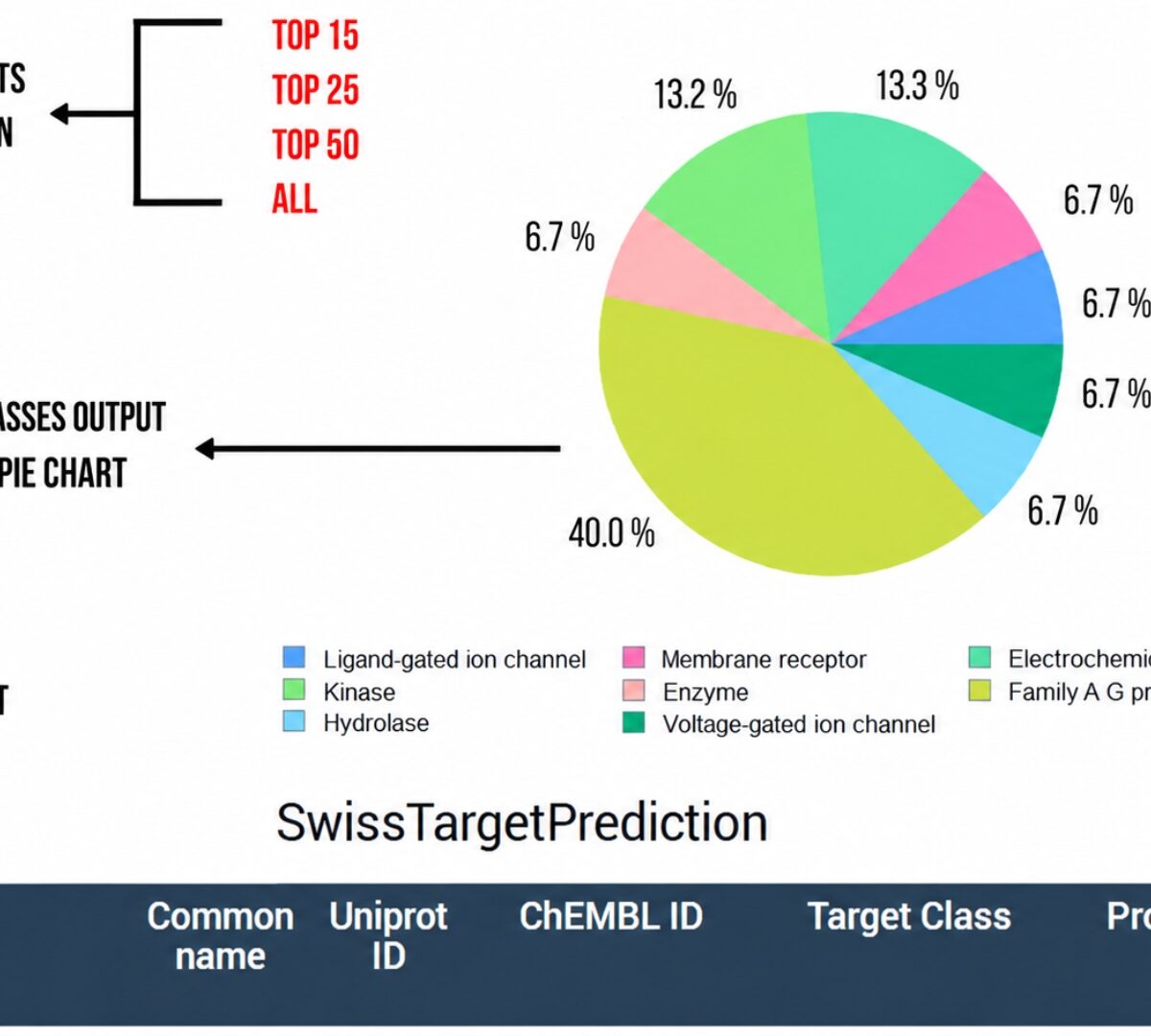
Toxicity of Some Natural Products in the Treatment of Rheumatoid Arthritis
Rheumatoid arthritis (RA) is a chronic autoimmune disease that affects mainly peripheral joints because of inflammation of the synovial membrane.

What Builds Trust During Regulatory Review?
Regulatory reviewers are tasked with assessing whether the level of model validation is appropriate for its risk and impact, and their confidence is established when the overall modeling approach is proportionate, coherent, and easy to verify.

Integrating In Silico Modeling Into Undergraduate Education To Enhance Students Competency in Biopharmaceutics and Pharmacokinetics
Pharmacokinetics and biopharmaceutics are core components of pharmacy education, providing the scientific foundation for drug development and therapeutic application.
Strategies for Pediatric Dose Derivation From Population Pharmacokinetic Models
Health authorities worldwide require clinical studies in children to ensure scientifically rigorous and consistent dosing.

What Modeling Mistakes Reduce Trust in Simulation Results?
In drug development, trust in the models utilized is critical. Even when a model demonstrates acceptable predictive performance, certain recurring issues can significantly reduce reviewer confidence.
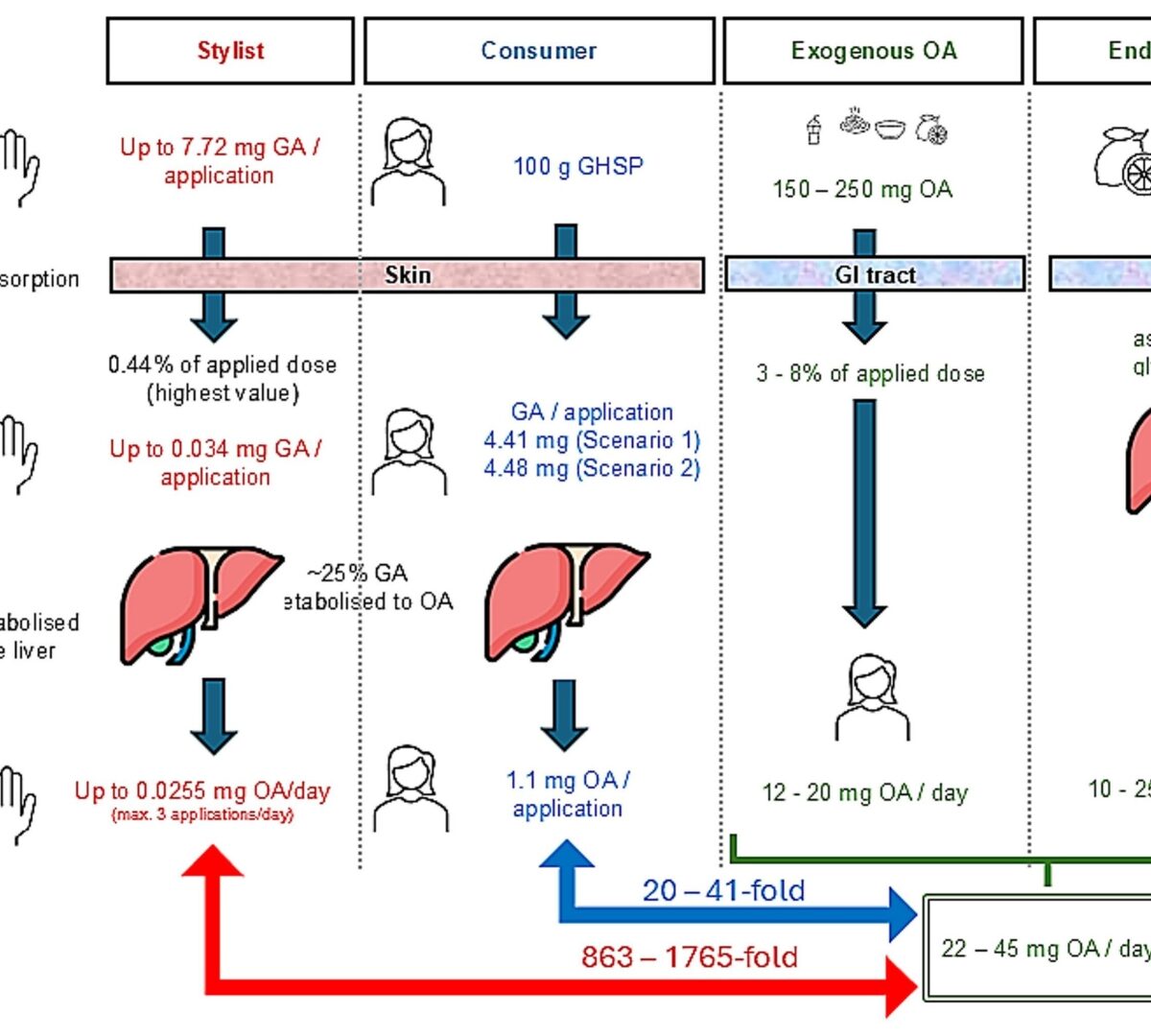
Quantification of the Exposure of Consumers and Hairdressers to Formaldehyde and Oxalic Acid After Application of Hair Straightening Products Containing Glyoxylic Acid
Glyoxylic acid (GA), the active ingredient of heat-activated hair straightening products (GHSPs) has been discussed in the context of acute kidney injury (AKI) via oxalic acid (OA) crystal formation and of heat-decomposition resulting in release of formaldehyde.
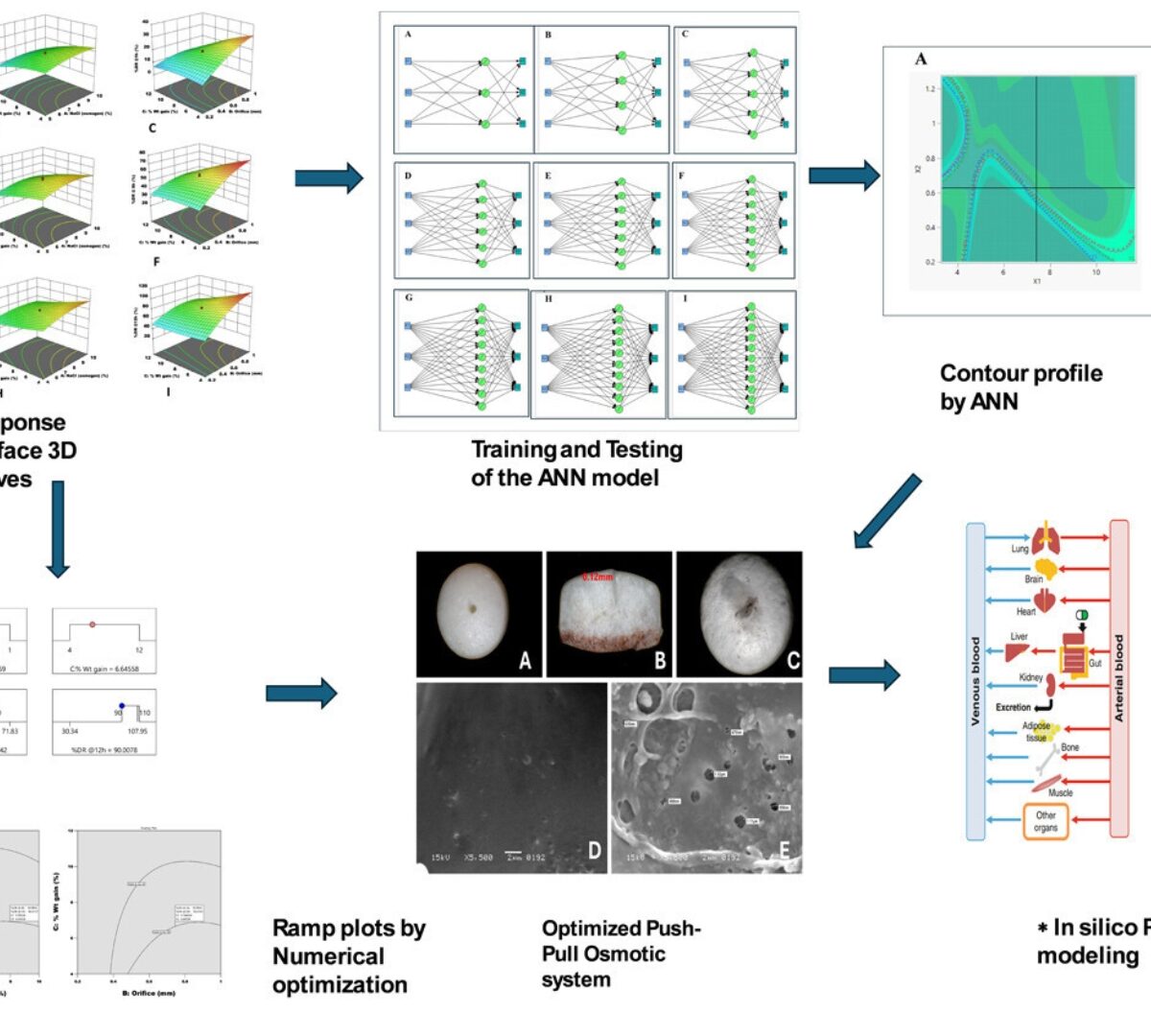
A Multivariate Ann-CCD Integrative Model Using Cellulose Based Polymers for the Development of Osmotically Controlled Push-Pull Dexibuprofen Tablets and Its Predictive Pharmacokinetic Modeling
The biocompatible macromolecules play a pivotal role in enhancing the performance of various drug delivery systems.
In Silico Predictions for ADME and Toxicology
Advances in computational modeling are transforming how scientists predict a compound’s Absorption, Distribution, Metabolism, Excretion, and Toxicology (ADMET) profiles.
In Silico Toxicokinetics
Absorption, distribution, metabolism, excretion, and toxicity (ADMET) profiling is a major driver of drug success, controlling pharmacokinetic behavior, therapeutic effectiveness, and safety.
In Silico Prediction of Solubility, Permeability, and Metabolism
This chapter presents a comprehensive review of in silico techniques for the prediction of solubility, permeability, and metabolism—critical determinants of drug candidates’ pharmacokinetic and safety profiles during drug discovery and development.
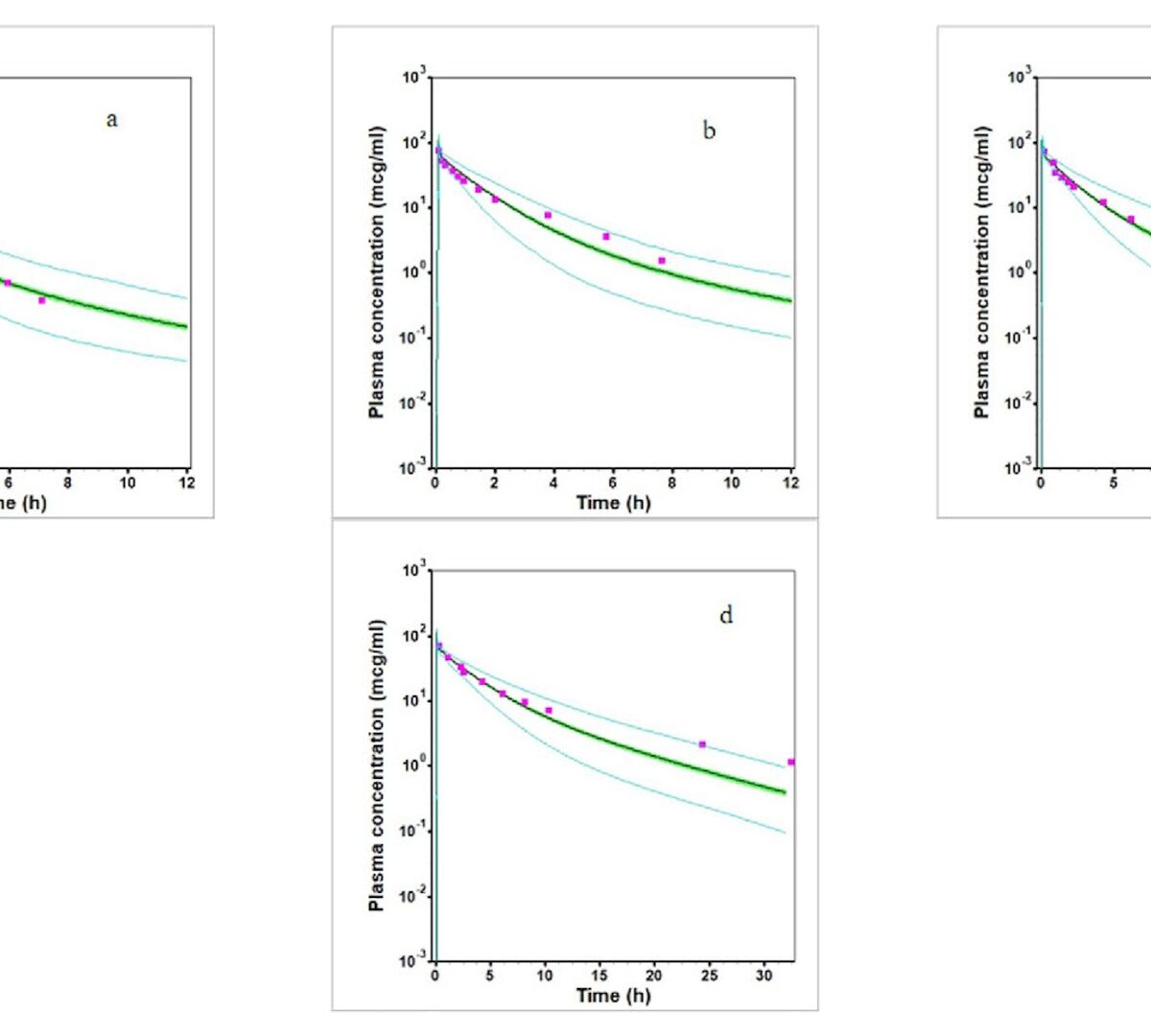
Physiologically Based Pharmacokinetic Modeling of Cefotaxime To Inform Pediatric Dosing in Renal Impairment
Cefotaxime (CFT) is a broad spectrum, third-generation cephalosporin antibiotic prescribed for the treatment of severe infections, yet dosing guidelines for pediatric with renal impairment is scarce.

Simulations Plus Reports Third Quarter Fiscal 2026 Financial Results
Simulations Plus, Inc. (Nasdaq: SLP) (“Simulations Plus” or the “Company”), a global leader in model-informed and AI-accelerated drug development that advances biopharma innovation, today reported financial results for its third quarter fiscal 2026, ended May 31, 2026.

University+ Flyer
Empowering the learning, application, and publication of modeling & simulation globally.
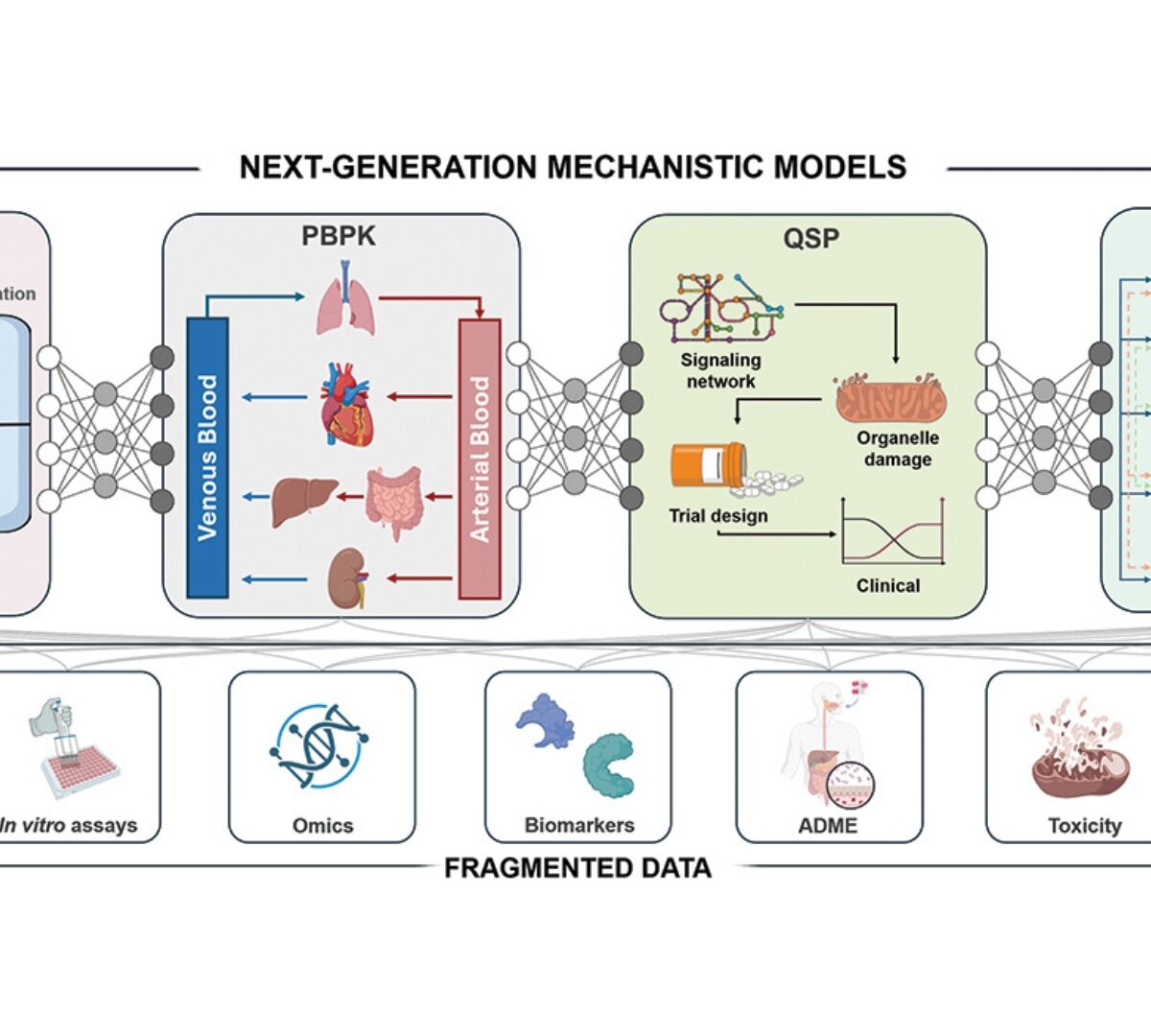
Why Next-Generation Mechanistic Models will Transform Drug Discovery: Integrating Efficacy and Safety
Drug discovery remains constrained by high attrition rates and the fragmented evaluation of exposure, efficacy, and safety.

Why Mechanistic Modeling has Become the Preferred Framework for Modern Generic Development
When the question is mechanism, deconvolution estimates. PBBM explains.
Animal-Free Skin Sensitization Testing: In Chemico and In Silico Integrated Approach
The increasing prohibition of animal testing for cosmetic products has driven the development of alternative approaches to ensure consumer safety.
In vitro Drug-Like Properties Evaluation of the New Positive Allosteric Modulators of EAAT2 Glutamate Transporter
Evaluation of drug-like properties in vitro is critical in identifying viable candidates for new central nervous system (CNS) drugs.