
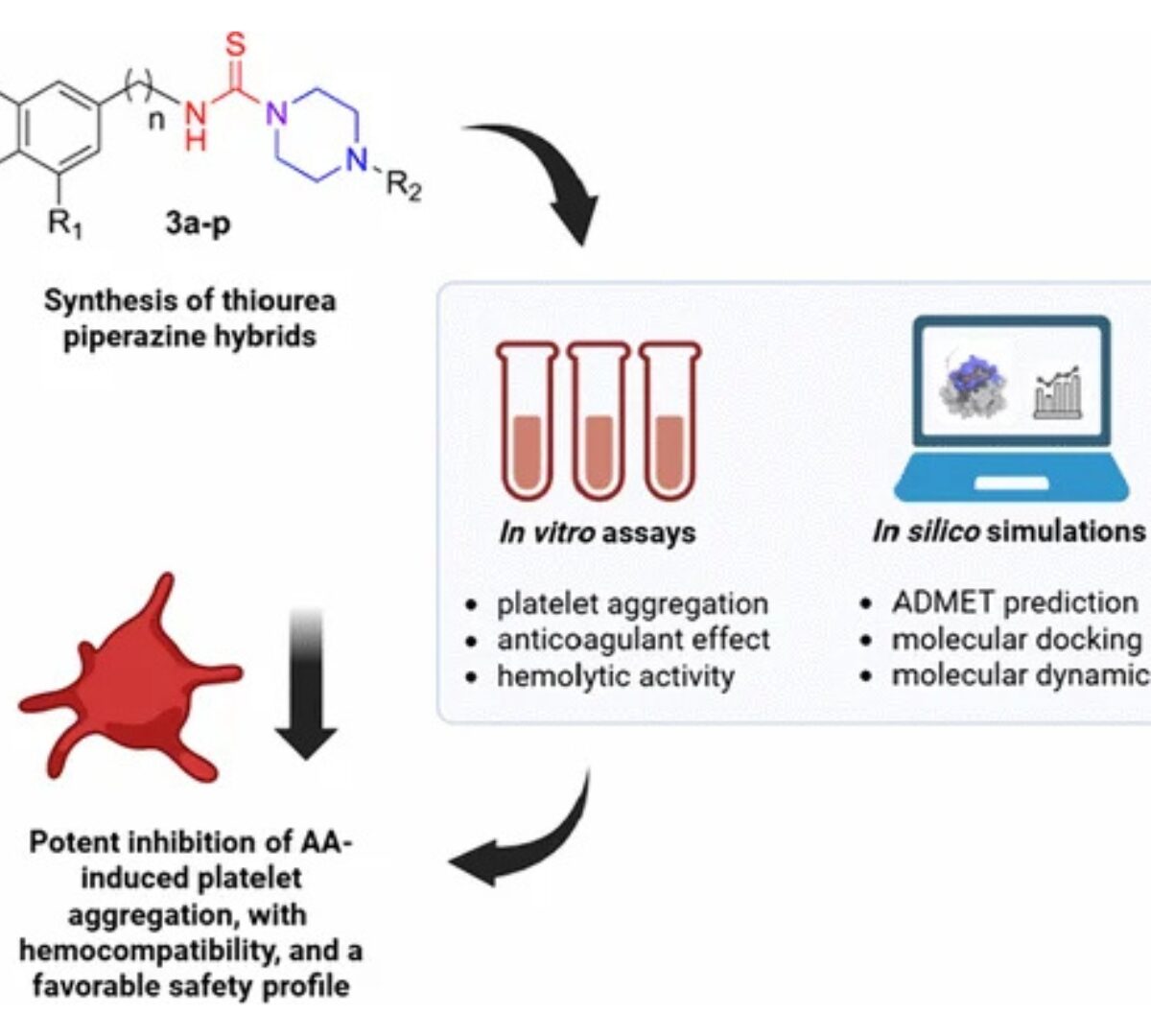
Cardiovascular diseases (CVDs) remain the leading cause of mortality worldwide, reinforcing the need for safer and more effective antiplatelet therapies.
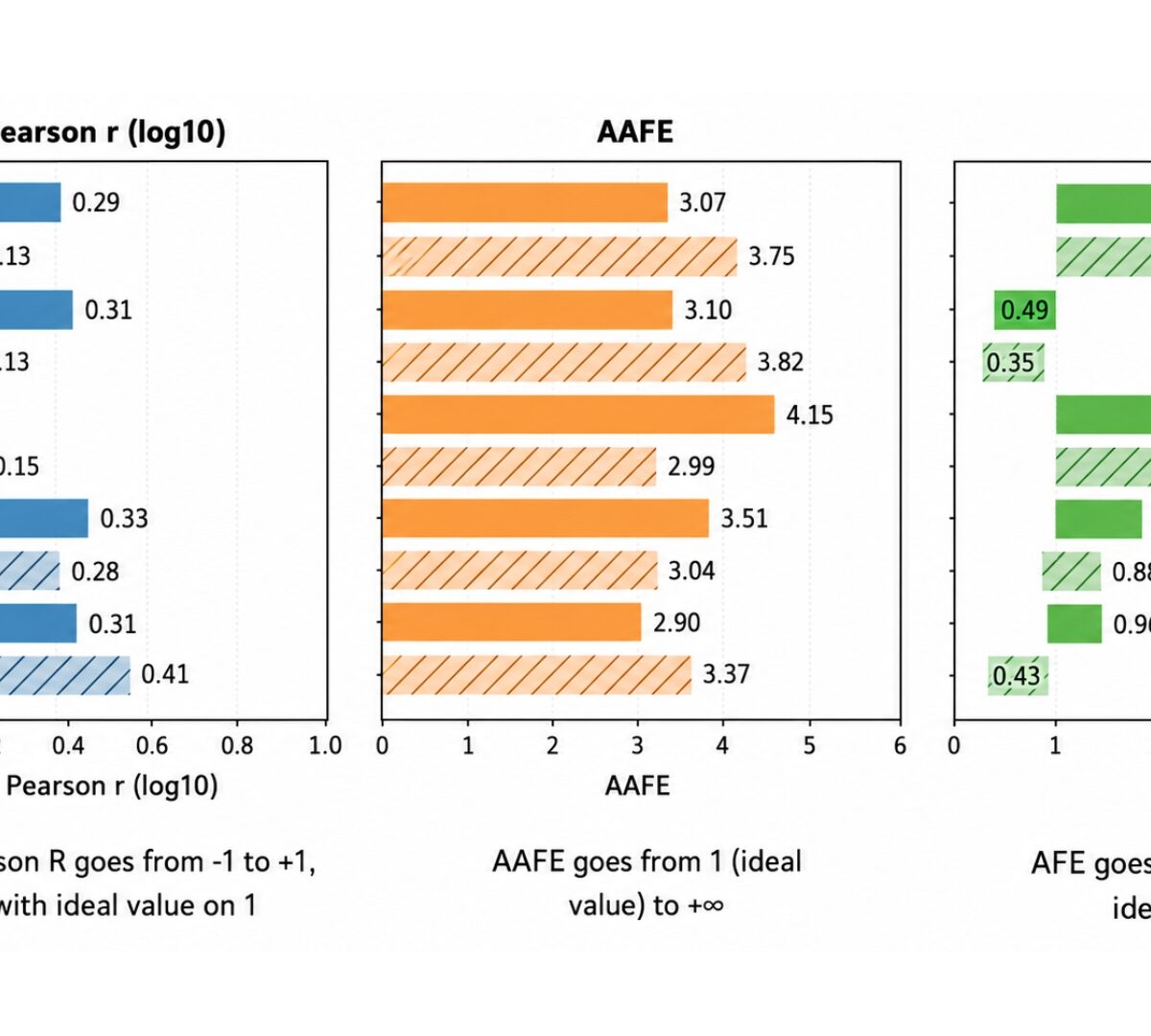
Earlier & Faster: Combining ML and HT-PBPK to Accelerate Early Small Molecule Drug Discovery
Accurately predicting the pharmacokinetics (PK) of small-molecule candidates early in discovery can accelerate optimization cycles, reduce animal testing, and improve the quality of compounds advancing toward the clinic.

Pharmacokinetic Evaluation of Etoricoxib 120mg Tablets in Healthy Human Pakistani Volunteers: In-Vivo In-Silico Bridging for Bioequivalence
Etoricoxib is a selective cyclooxygenase-2 inhibitor widely used for the treatment of pain and inflammatory conditions.

Simulations Plus Announces Strategic Collaboration Programs for AI-Enabled Modeling
Co-development initiatives to advance next-generation workflows, accelerate adoption, and expand the role of AI within model-informed drug development
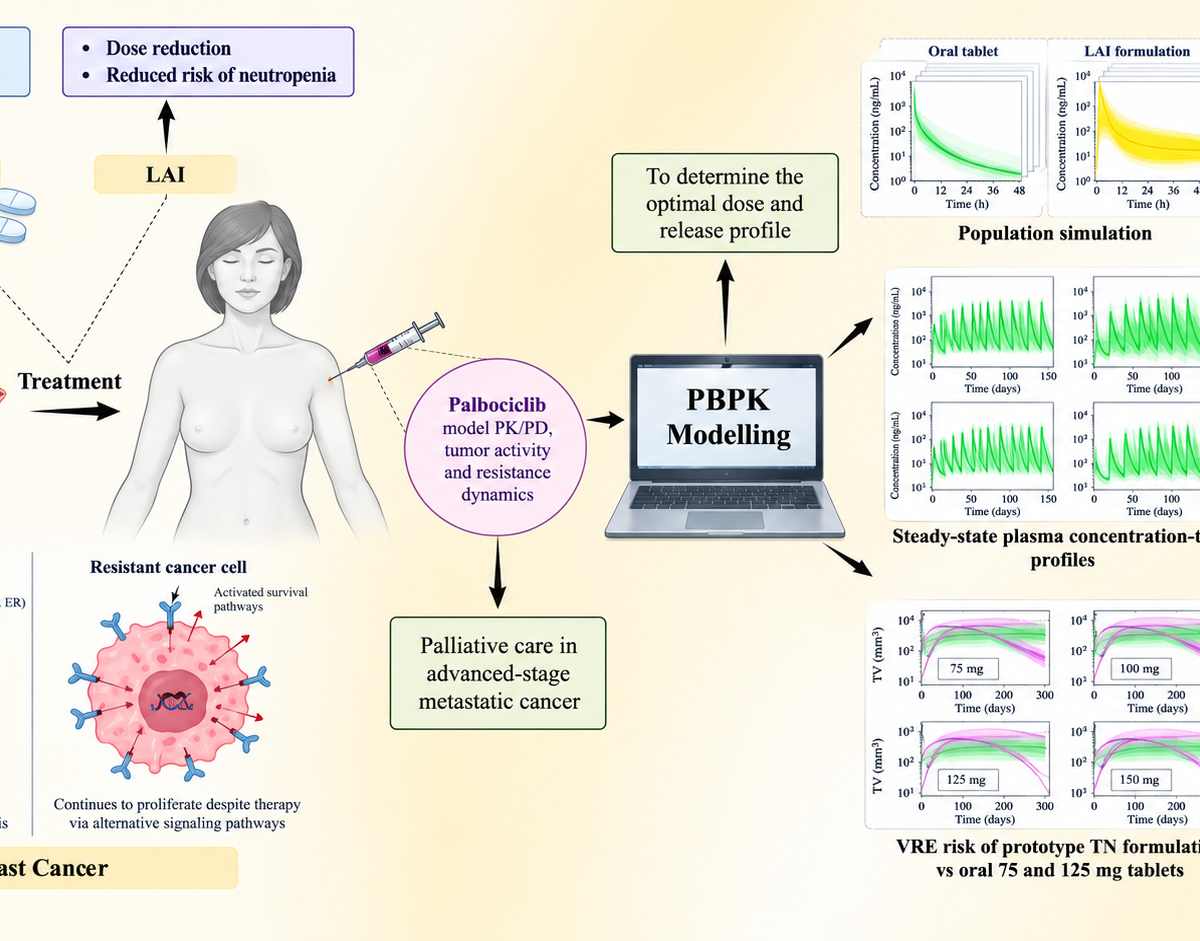
In Silico Designing of Palbociclib Loaded Plga Long-Acting Intramuscular Injection for Palliative Therapy of HR+/HER2− Metastatic Breast Cancer
Palbociclib (PBB) is an oral cyclin-dependent kinase 4/6 (CDK4/6) inhibitor approved for the treatment of HR+/HER2− breast cancer.

ADMET Predictor® Tutorial Series: Deployment and Licensing
This tutorial provides a deep dive into the unique concurrent licensing model of ADMET Predictor®. Learn how to view license status, manage check-ins/check-outs for property modules, and use the MedChem Designer™ interface to perform calculations without consuming the main predictor license pool.
ADMET Predictor® Tutorial Series: 3D Functionality Part 2
This tutorial explores the 3D virtual screening capabilities within ADMET Predictor®. Learn how to build massive 3D conformer databases, execute high-speed similarity searches using GPU acceleration, and refine results by combining shape overlap with pharmacophore feature alignment.
ADMET Predictor® Tutorial Series: 3D Functionality Part 1
This tutorial introduces the built-in 3D capabilities of ADMET Predictor®. Learn how to generate single 3D conformers for property prediction, use the MMFF94S force field for energy minimization, and link external visualization tools like Avogadro to inspect molecular geometries.
ADMET Predictor® Tutorial Series: Python Module 1
This tutorial introduces the PI-ADMET Predictor module. Using a Jupyter Notebook environment, it demonstrates how to combine ADMET Predictor’s powerful algorithms with the Python ecosystem for tasks like SMILES standardization, property calculation via REST API, and metabolite visualization.
ADMET Predictor® Tutorial Series: Command Line (Including Linux) Part 2
This second part of the command line series dives into advanced HTTPK simulation options, including generating CP time curves and utilizing custom .hia parameter files. It also provides a comprehensive guide to Linux installation, licensing with Flexera, and executing shell scripts for automated property predictions.
ADMET Predictor® Tutorial Series: Command Line (Including Linux) Part 1
This tutorial introduces the Command Line Interface (CLI) for ADMET Predictor® 12. Learn how to use essential flags like -t for input types and -n for multi-threaded processing, and explore specialized workflows for medicinal chemists, physical chemists, and computational scientists.
ADMET Predictor® Tutorial Series: Rest API Part 2
This second part of the REST API series demonstrates how different client applications—from Spotfire to Python scripts—interact with the ADMET Predictor REST API. Watch real-time examples of HTTP requests and responses, including property predictions, image generation, and pharmacokinetic simulations.
ADMET Predictor® Tutorial Series: Rest API Part 1
This first part of a two-video series explains how to set up the ADMET Predictor REST API server. Follow the step-by-step process for installing the Windows service, configuring license server paths, and managing support folders for seamless property predictions in third-party tools.
ADMET Predictor® Tutorial Series: Transporter Models
This tutorial by Simulations Plus focuses on the Transporters Module in ADMET Predictor®. Understand the role of transporters in drug exposure and toxicity, and learn how to use the 24 built-in substrate and inhibitor models to screen compound libraries.
ADMET Predictor® Tutorial Series: Toxicity Predictions
This tutorial covers the comprehensive Toxicity Module in ADMET Predictor®. Learn about hERG channel inhibition, Ames mutagenicity strains, and how these individual models contribute to the overall Tox Risk score.
ADMET Predictor® Tutorial Series: Cheminformatics Part 2
In this second part of the Cheminformatics series, Simulations Plus demonstrates how to utilize pre-built CQF (Compound Query Files) for drug-like filtering and toxicophore detection. Learn to customize these files using SMARTS syntax to create personalized structural filters, such as Michael acceptor or PAINS filters.
ADMET Predictor® Tutorial Series: Cheminformatics Part 1
In this first part of the Cheminformatics series, we explore core tools for chemical space exploration. Learn how to perform explicit substructure searches and advanced Markush queries to categorize large datasets by molecular features.
ADMET Predictor® Tutorial Series: AIDD Module
This tutorial by Simulations Plus introduces the Artificial Intelligence Drug Design (AIDD) module. Discover how to optimize lead compounds for potency, synthetic feasibility, and ADMET properties using multi-objective Pareto optimization.
ADMET Predictor® Tutorial Series: ADMET Modeler
This comprehensive tutorial by Simulations Plus demonstrates the workflow for building custom machine learning models using ADMET Modeler™. Learn how to prepare data, select descriptors, set up artificial neural network (ANN) ensembles, and validate models with external test sets
ADMET Predictor® Tutorial Series: HTPK Part 3
In the final part of the HTPK series, Simulations Plus demonstrates how to generate Concentration-Plasma (CP) time profiles for multiple compounds and doses. This tutorial also covers Dose Estimation to meet target plasma concentrations and explores advanced physiological and formulation settings.