

More than 1,400 participants across 65+ countries underscores accelerating adoption of model-informed workflows and growing demand for applied modeling expertise

Reproductive Toxicity of Fructus Psoraleae in Zebrafish: Material Basis and Implications for Clinical Safety Dosing
Fructus psoraleae (FP), a classical TCM with a medicinal history spanning several millennia, is esteemed for its therapeutic properties in regulating Qi, alleviating asthma, tonifying kidneys and reinforcing Yang.

Novel Descriptors and Models for More Accurate ADME and PK Predictions of Beyond Rule of Five Molecules
This study addresses the critical need for improved physicochemical descriptors and predictive models tailored to beyond Rule of Five (bRo5) compounds, including PROTACs and cyclic peptides.

GastroPlus PBBM® Flyer
Mechanistic biopharmaceutics modeling: trusted, flexible, and built to scale.
Physiologically Based Pharmacokinetic Modeling and Dose Adjustment of Imipenem in Pediatric Patients with Renal Impairment Chen Feng Chen Feng 1 P Peng Xiao 1,2
To establish a physiologically based pharmacokinetic (PBPK) model of imipenem, predict its exposure in pediatric patients with different renal function, and optimize the dosing regimen.

Simulations Plus Reports Second Quarter Fiscal 2026 Financial Results
Revenue grew 8% with increases in both software and services
A Drug–Microbiome–Drug Interaction Impacts Co-Prescribed Medications for Parkinson’s Disease
Simultaneous prescription of multiple drugs is widespread in medicine. Although the gut microbiome is implicated in drug responses, its role in mediating drug–drug interactions is unexplored
Nanoformulation Enabling Repurposing of Niclosamide for the Treatment of Pancreatic Cancer: Rapidly Soluble Oral Formulation for Enhanced Bioavailability
Pancreatic ductal adenocarcinoma (PDAC) is relatively uncommon yet remains one of the most lethal cancers worldwide.
Nonlinear Mixed-Effects Modeling to Characterize the Pharmacokinetics of a Novel Mithramycin Analogue for Ewing Sarcoma in Mice
To develop a pharmacokinetic model for a novel mithramycin analogue, MTMSA-Trp, in mice and characterize dose-dependent disposition to support future pharmacokinetic-pharmacodynamic (PK/PD) and exposure-e cacy analyses.
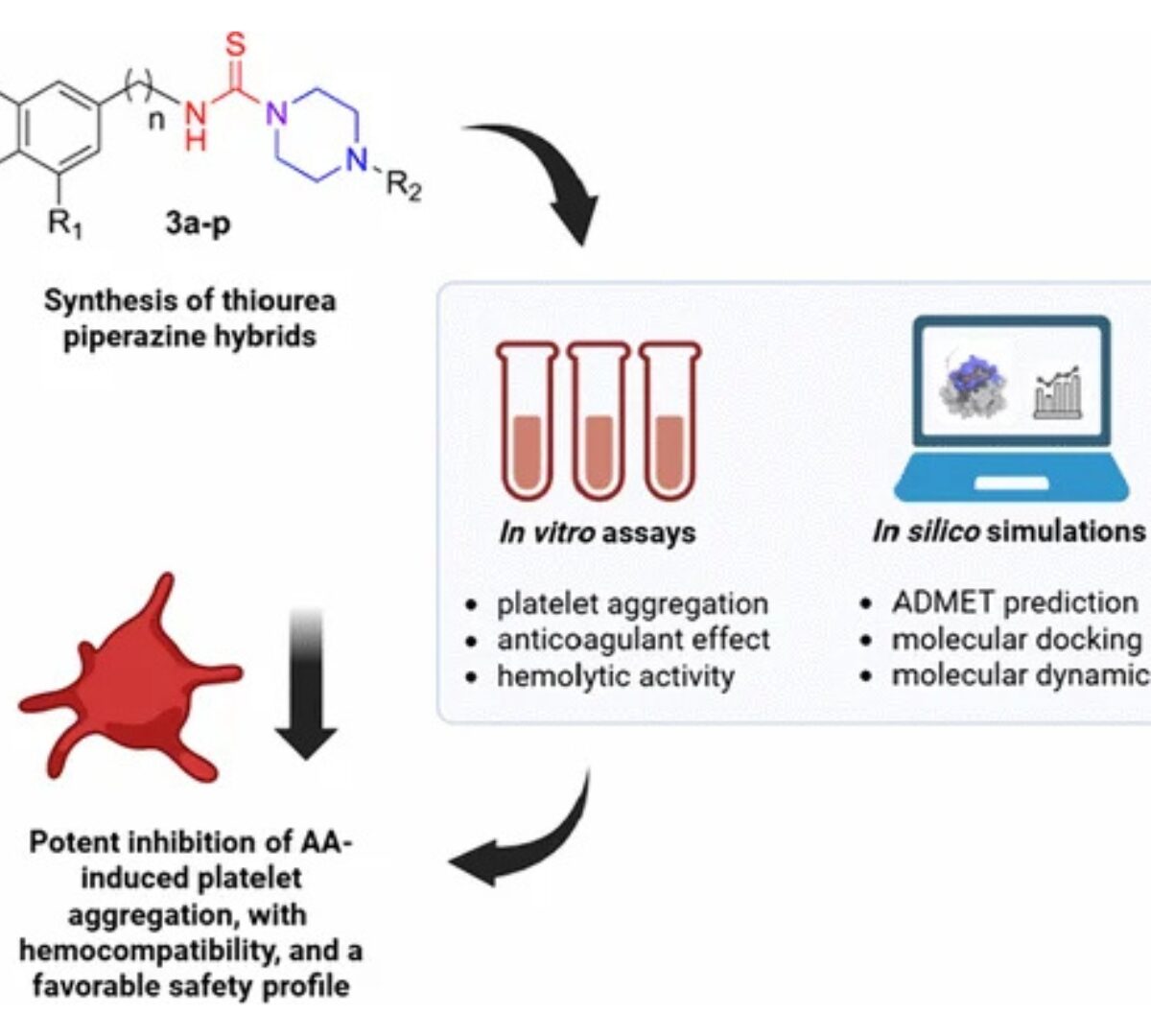
Piperazine-Thiourea Hybrids as Novel Antiplatelet Agents Targeting COX-1: Synthesis, in vitro, and in silico Evaluation
Cardiovascular diseases (CVDs) remain the leading cause of mortality worldwide, reinforcing the need for safer and more effective antiplatelet therapies.
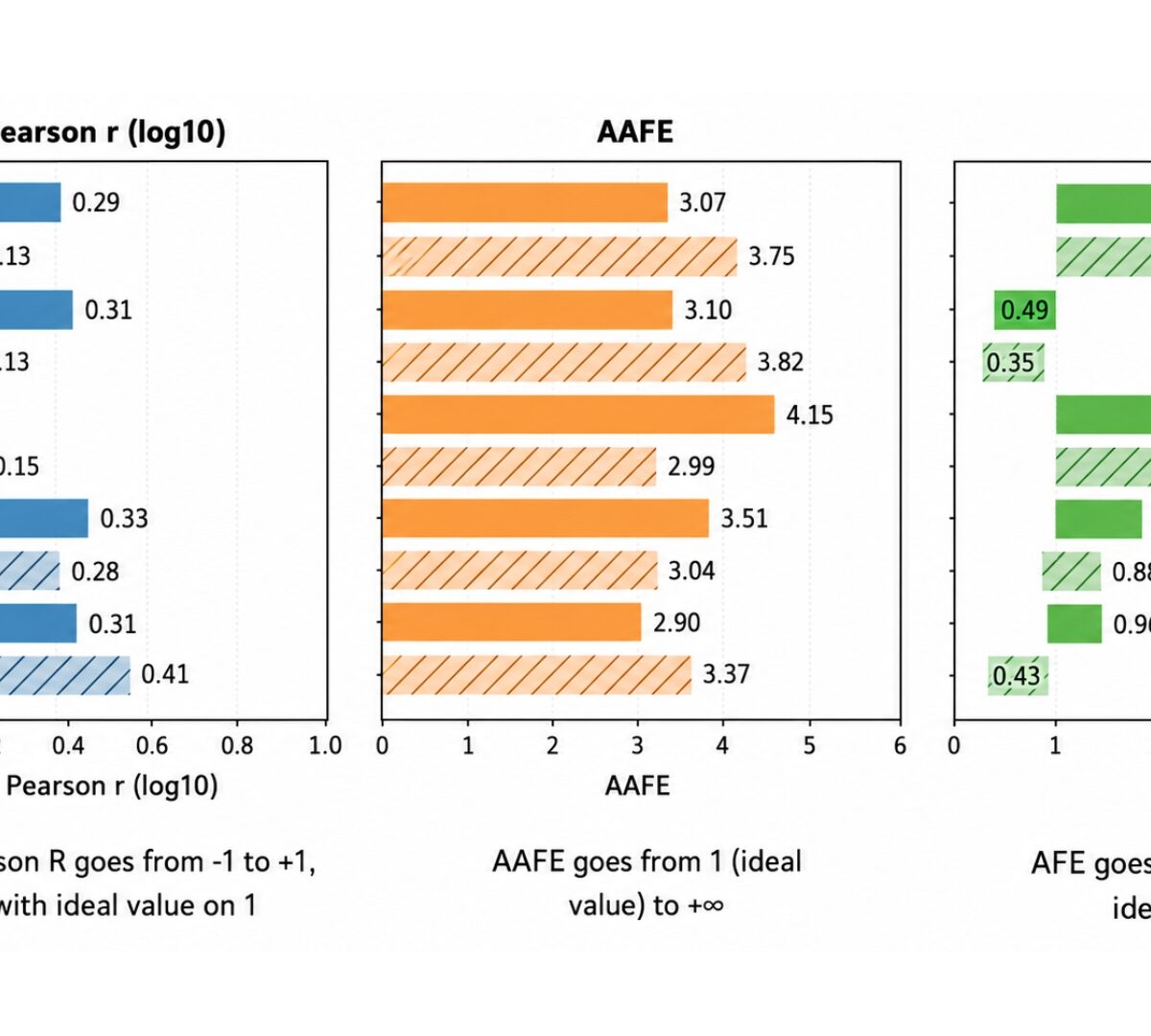
Earlier & Faster: Combining ML and HT-PBPK to Accelerate Early Small Molecule Drug Discovery
Accurately predicting the pharmacokinetics (PK) of small-molecule candidates early in discovery can accelerate optimization cycles, reduce animal testing, and improve the quality of compounds advancing toward the clinic.
Pharmacokinetic Evaluation of Etoricoxib 120mg Tablets in Healthy Human Pakistani Volunteers: In-Vivo In-Silico Bridging for Bioequivalence
Etoricoxib is a selective cyclooxygenase-2 inhibitor widely used for the treatment of pain and inflammatory conditions.

Simulations Plus Announces Strategic Collaboration Programs for AI-Enabled Modeling
Co-development initiatives to advance next-generation workflows, accelerate adoption, and expand the role of AI within model-informed drug development
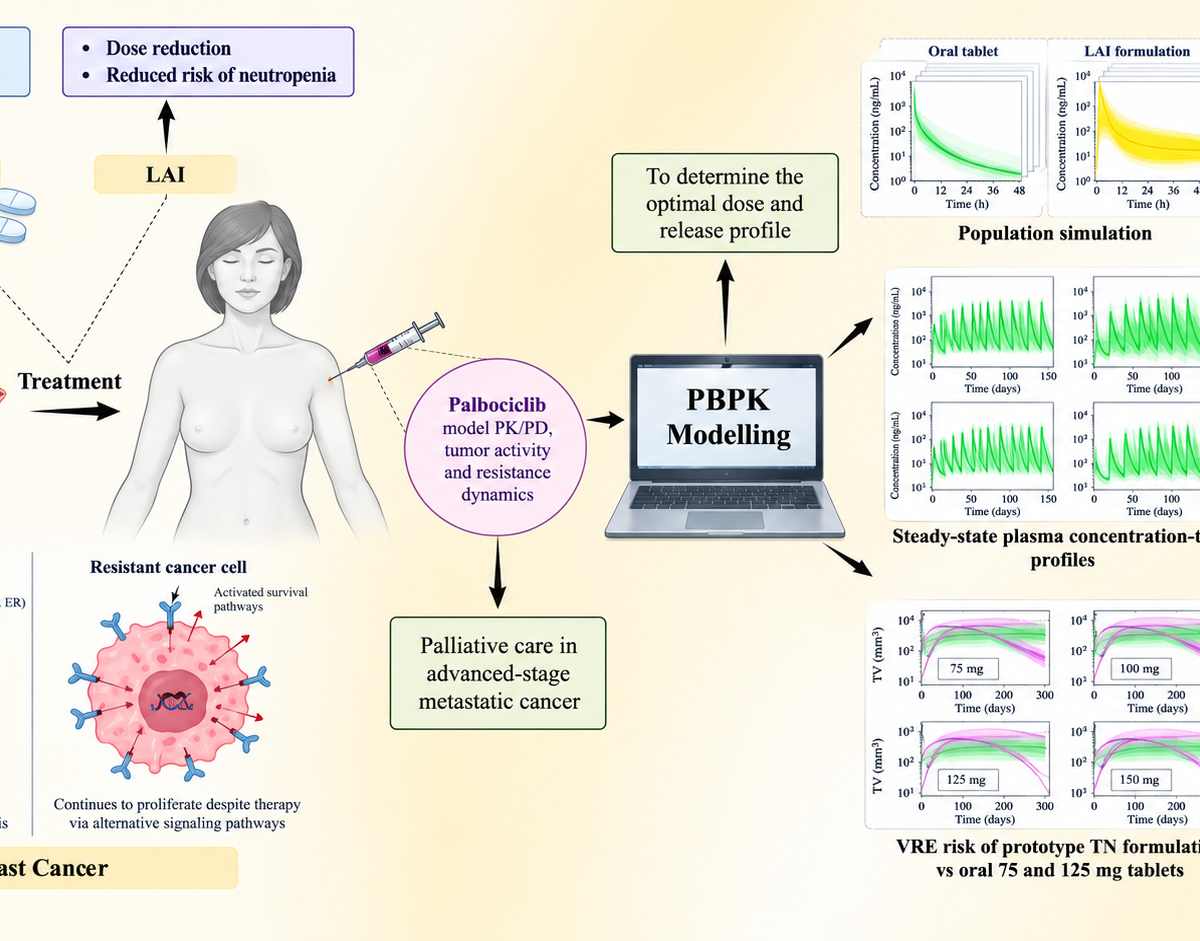
In Silico Designing of Palbociclib Loaded Plga Long-Acting Intramuscular Injection for Palliative Therapy of HR+/HER2− Metastatic Breast Cancer
Palbociclib (PBB) is an oral cyclin-dependent kinase 4/6 (CDK4/6) inhibitor approved for the treatment of HR+/HER2− breast cancer.

ADMET Predictor® Tutorial Series: Deployment and Licensing
This tutorial provides a deep dive into the unique concurrent licensing model of ADMET Predictor®. Learn how to view license status, manage check-ins/check-outs for property modules, and use the MedChem Designer™ interface to perform calculations without consuming the main predictor license pool.
ADMET Predictor® Tutorial Series: 3D Functionality Part 2
This tutorial explores the 3D virtual screening capabilities within ADMET Predictor®. Learn how to build massive 3D conformer databases, execute high-speed similarity searches using GPU acceleration, and refine results by combining shape overlap with pharmacophore feature alignment.
ADMET Predictor® Tutorial Series: 3D Functionality Part 1
This tutorial introduces the built-in 3D capabilities of ADMET Predictor®. Learn how to generate single 3D conformers for property prediction, use the MMFF94S force field for energy minimization, and link external visualization tools like Avogadro to inspect molecular geometries.
ADMET Predictor® Tutorial Series: Python Module 1
This tutorial introduces the PI-ADMET Predictor module. Using a Jupyter Notebook environment, it demonstrates how to combine ADMET Predictor’s powerful algorithms with the Python ecosystem for tasks like SMILES standardization, property calculation via REST API, and metabolite visualization.
ADMET Predictor® Tutorial Series: Command Line (Including Linux) Part 2
This second part of the command line series dives into advanced HTTPK simulation options, including generating CP time curves and utilizing custom .hia parameter files. It also provides a comprehensive guide to Linux installation, licensing with Flexera, and executing shell scripts for automated property predictions.