


2000+
peer reviewed publications


See how your peers are applying ADMET Predictor to inform compound design and development strategy.

Predict, prioritize, and advance the right compounds

ADMET and pharmacokinetic properties indicate whether promising molecules are viable candidates. The ability to quickly and accurately predict these properties for thousands of molecules—in seconds—allows you to make informed decisions that can determine the success of your project.

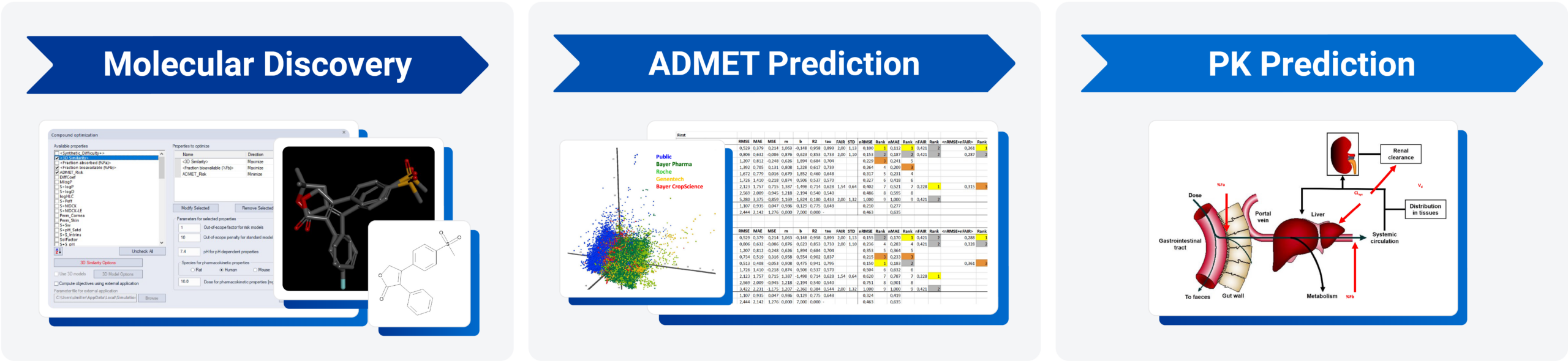
ADMET Predictor supports your entire early-stage discovery program through a MAP workflow: molecular discovery, ADMET prediction and PK prediction. By integrating ADMET and PK awareness into the earliest design iterations, you can identify and prioritize compounds that are both active and viable, streamlining the design-make-test-analyze (DMTA) cycle and reducing late-stage attrition.

Three panels show drug development using ADMET Predictor, PKPlus, and DILIsym for simulations and modeling.

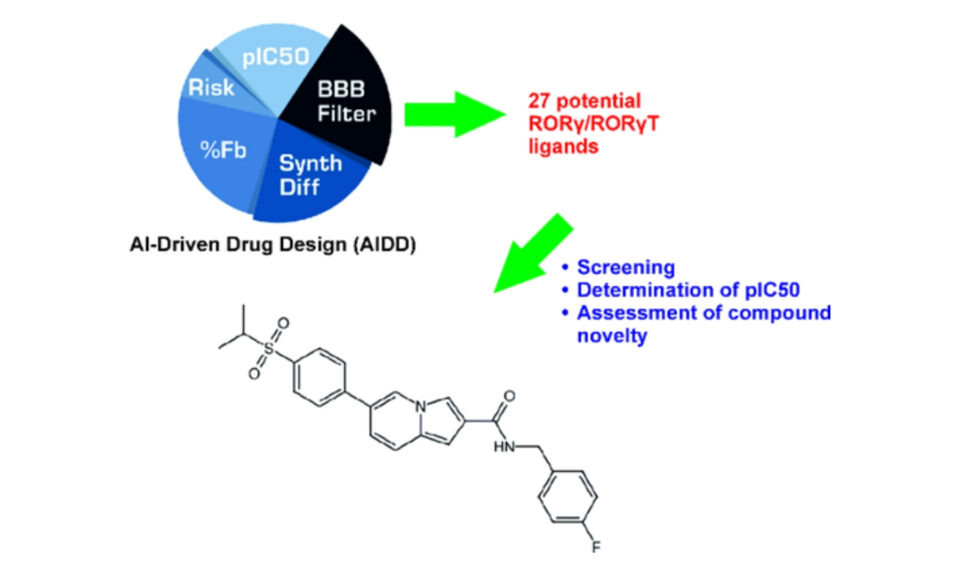
ADMET Predictor provides a number of powerful cheminformatics solutions that support your design and lead optimization efforts, including the ability to conduct scaffold clustering, R group analysis, and MCDA-based prioritization. It can also generate 3D conformations to conduct ligand-based virtual screening against internal or commercial libraries. In addition to advanced volumetric shape and pharmacophore similarity, you can triage and rank hit selections based on predicted ADMET and PK properties. Furthermore, you can use our generative chemistry and multi-parameter optimization engine, the AI-Driven Drug Design (AIDD) module, to generate completely novel molecules that can be simultaneously optimized for activity, 3D similarity, and any other ADMET property models, as well as in vivo PK properties.

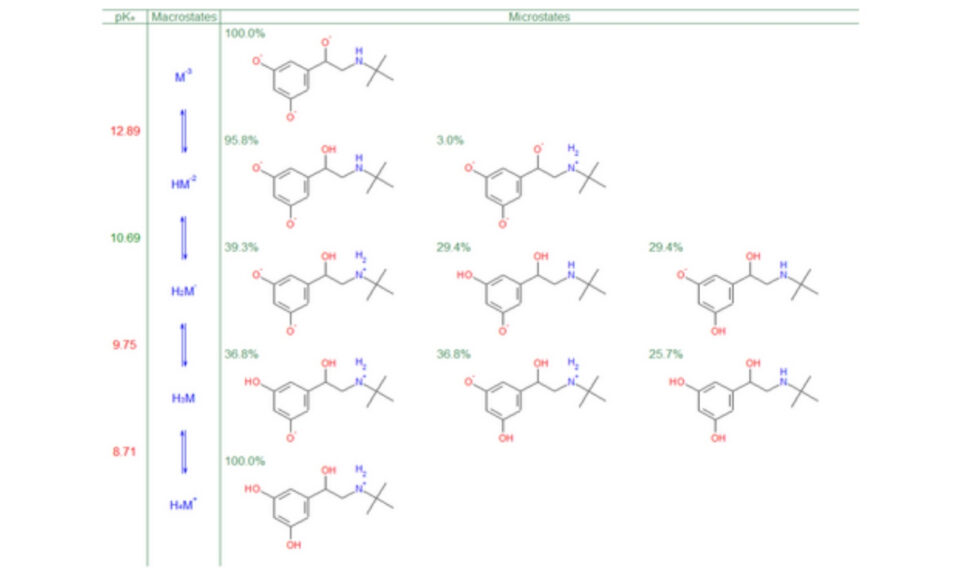
With over 175 predicted ADMET and PK properties the platform a broad range of properties that are important for the discovery process and can allow you to triage compounds to select for synthesis and screening. ADMET Predictor has a choice of modules to support your requirements, such as the Physicochemical and Biopharmaceuticals (PCB) module, that includes our flagship pKa model amongst others, or our Metabolism & Transporters module, which allows you to predict metabolites across most CYP enzymes, or consider liver microsome and hepatocyte clearance for five species (human, monkey, dog, rate and mouse). You can also actively predict for Toxicity such as for hERG binding and AMES mutagenesis.

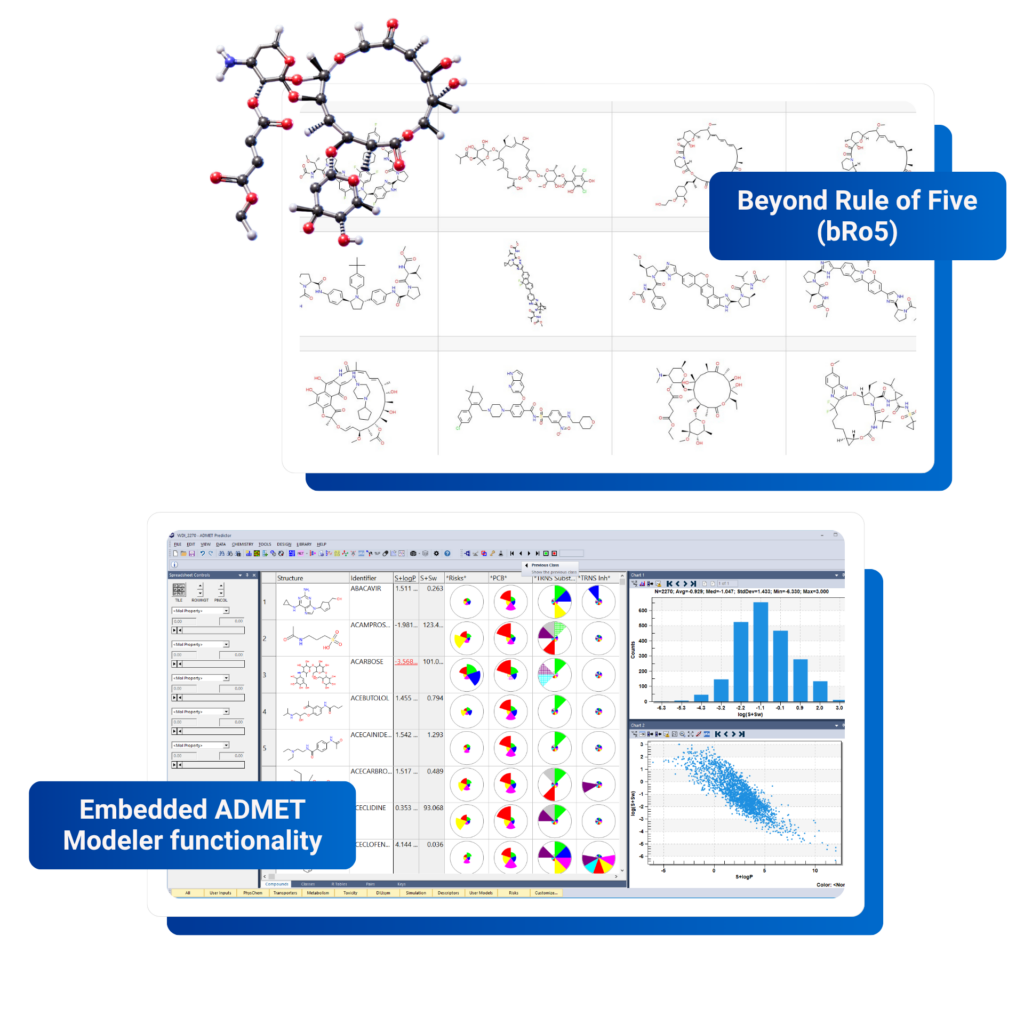
While we’ve built global models using both public and partner data, and innovative molecular and atomic descriptors, we recognize you have your own proprietary datasets that support your specific programs. You can use your data to retrain our models for your needs using ADMET Modeler, as well as to construct your own structure-property and structure-activity models using our advanced descriptors.

The ability to conduct High-Throughput Pharmacokinetic (HTPK) Simulations, underpinned by our GastroPlus® ACAT™ model, allows designs to be evaluated against key PK parameters such as % fraction absorbed, volume of distribution and systemic clearance. The power of having such information at the earliest opportunity in a discovery process streamlines the DMTA cycle by focusing on the right compounds.

Design better molecules with greater confidence

  • Predict 175+ physicochemical, ADME, toxicity, and PK properties 
  • Screen thousands of compounds in seconds 
  • Prioritize molecules with balanced potency and developability 
  • Identify metabolic liabilities and safety risks before synthesis 
  • Estimate systemic PK using high-throughput PBPK simulations powered by GastroPlus mechanistic models 
  • Build and extend custom predictive models trained on proprietary data 
  • Iterate earlier while chemical flexibility remains high 
  • Virtual screening and 3D ligand-based design 
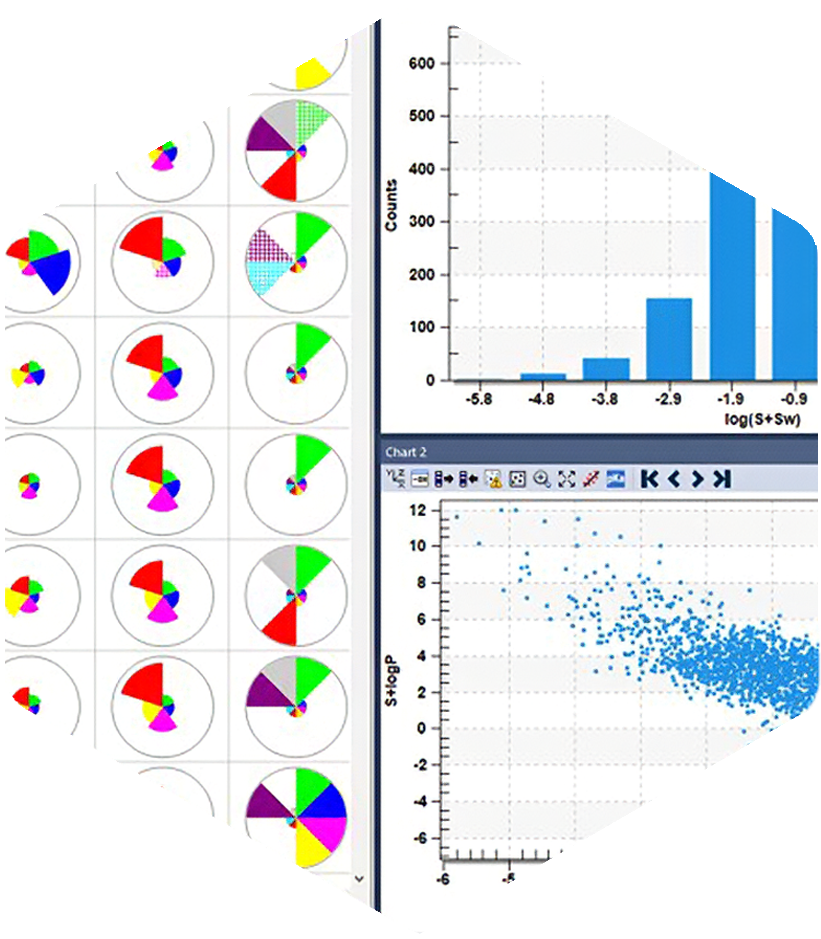
  • Structure-activity relationship (SAR) analysis and data visualization 
  • DMPK triage and safety flagging 
  • Batch evaluation of large compound libraries 

You can use ADMET Predictor as a standalone discovery tool or as part of your organization’s complete drug development lifecycle—from discovery through development with GastroPlus®, MonolixSuite™ and DILIsym®, and into clinical operations with Pro-ficiency®.

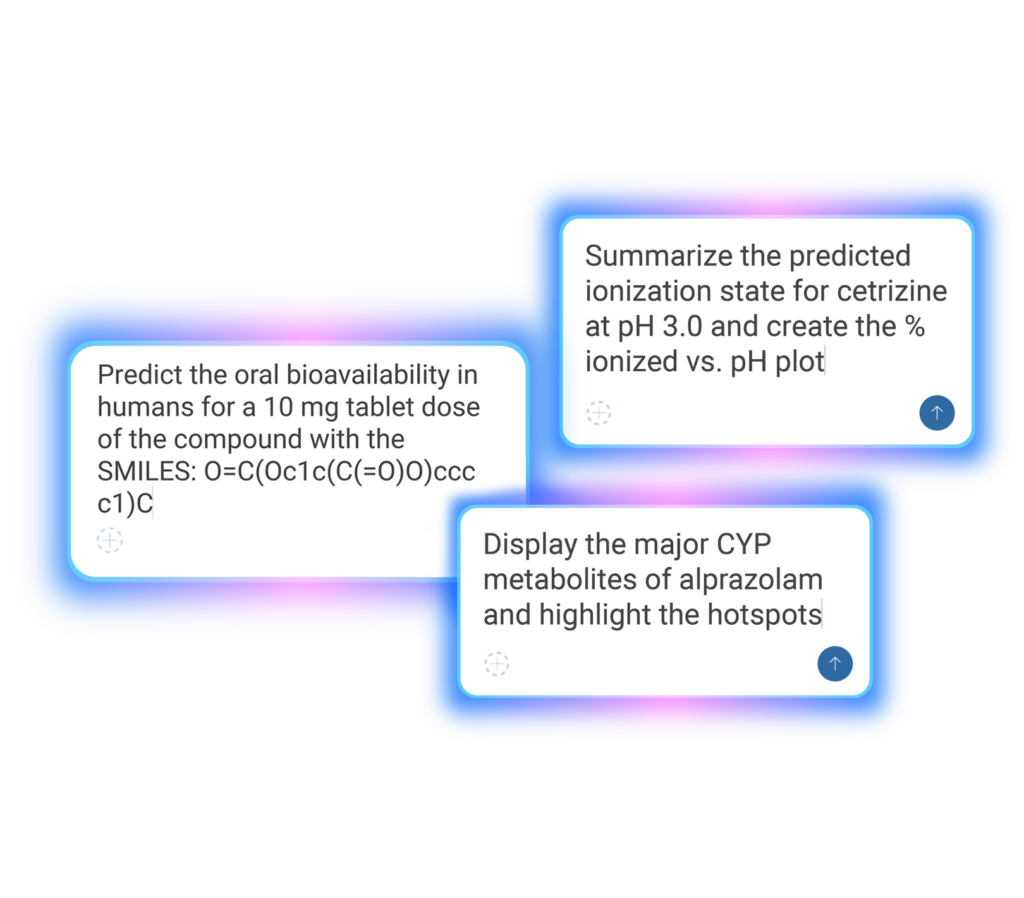
Enterprise automation is supported through our REST API, Python modules, KNIME components and integration with 3rd party informatics platforms such as Certara D360, Schrödinger LiveDesign®, Sigmatic Sciences Platform, or BIOVIA Pipeline Pilot to support your DMTA cycle.

Adapt ADMET Predictor to your discovery workflow

ADMET Predictor is highly configurable based on the work you do. Extended functionality is available when you need it.


Resources