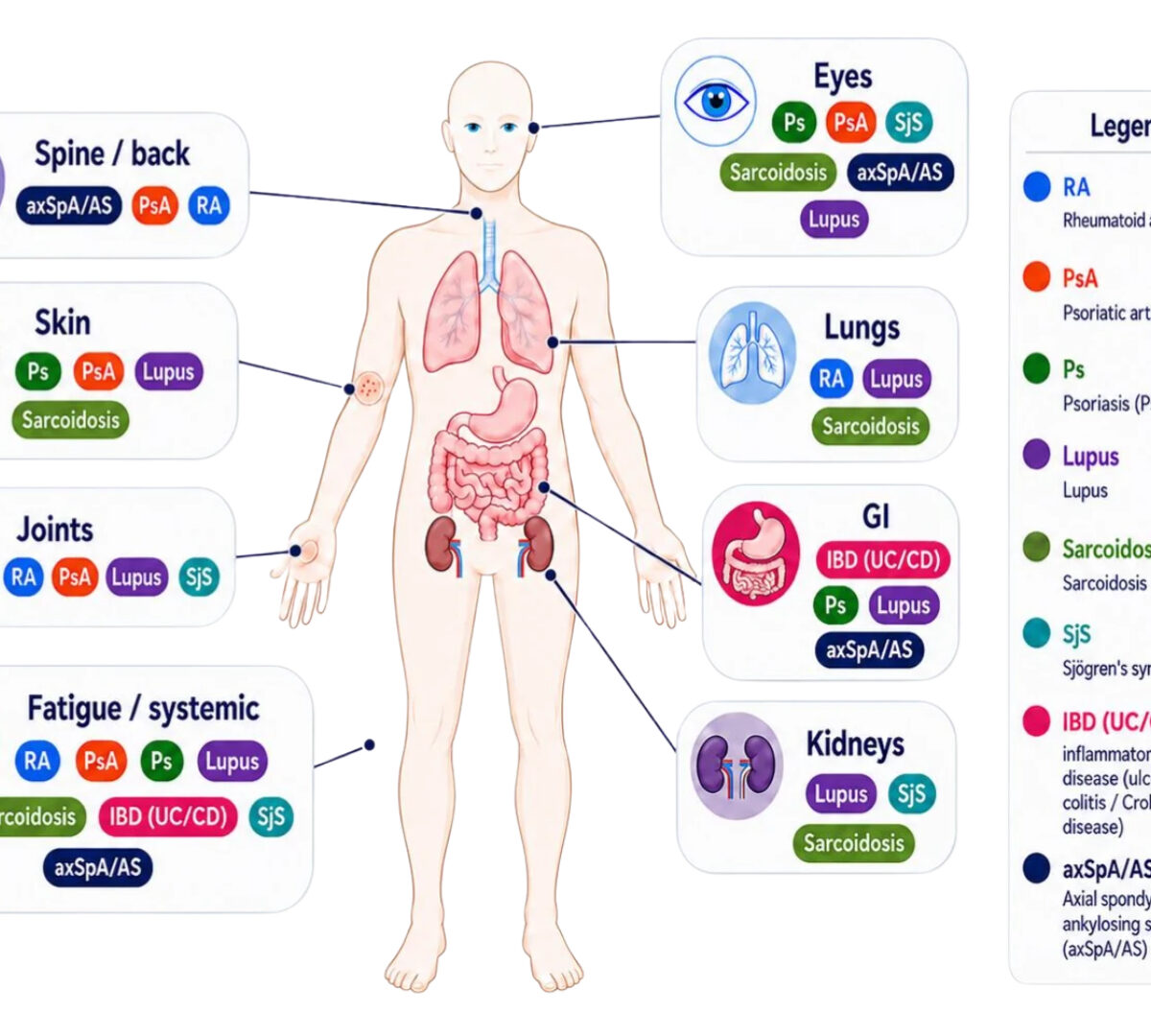
Bridging Autoimmune Modeling and ML-enabled Precision Medicine
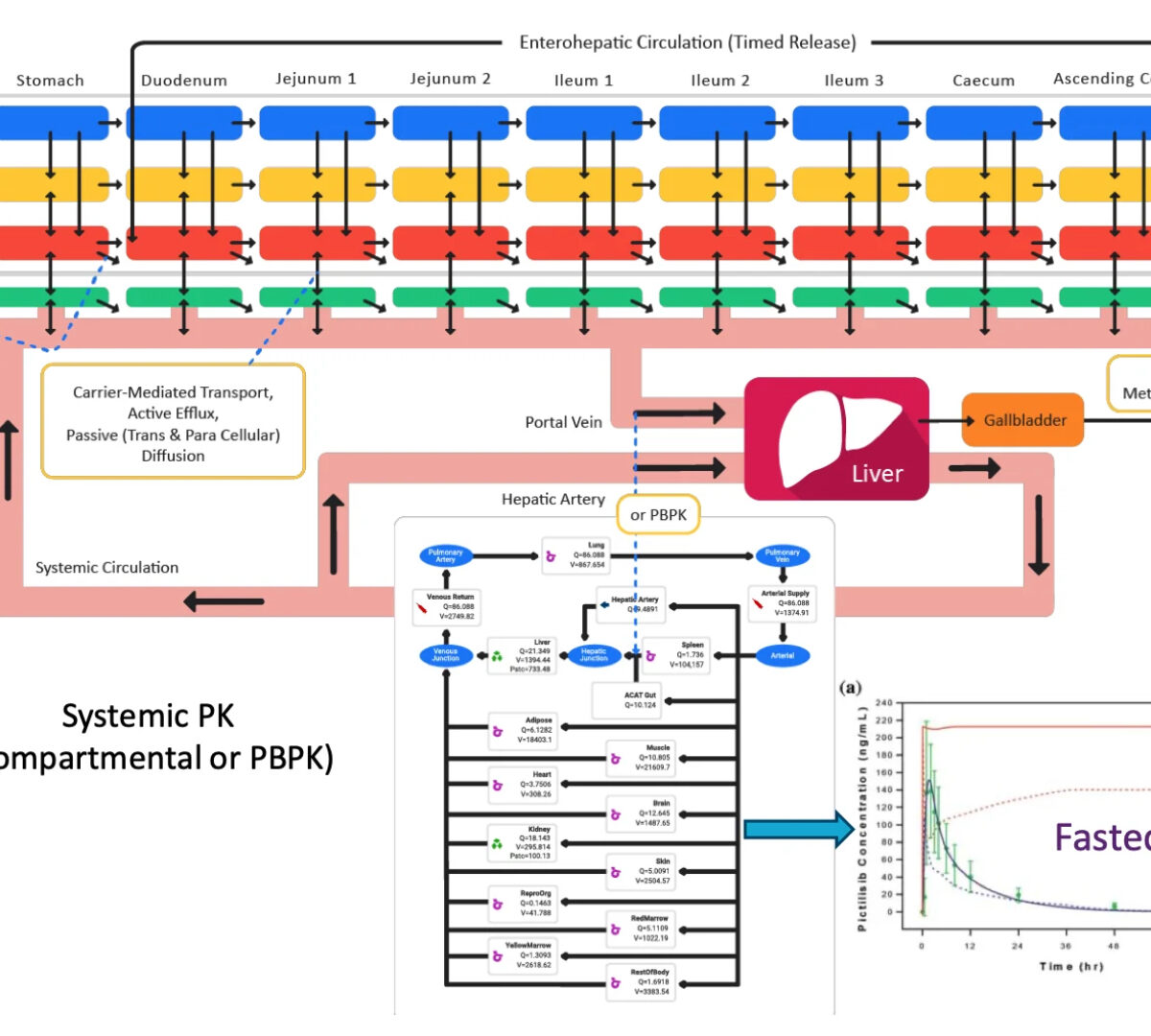
Oral Absorption DDI Assessment Using PBPK, AI & Regulatory Perspective
Oral absorption-mediated drug-drug interactions (DDIs) are important in drug development.
Advancing NAMS with Quantitative Systems Toxicology and Microphysiological Systems
Quantitative systems toxicology (QST) is a proven method for translating in vitro inputs to toxicity predictions
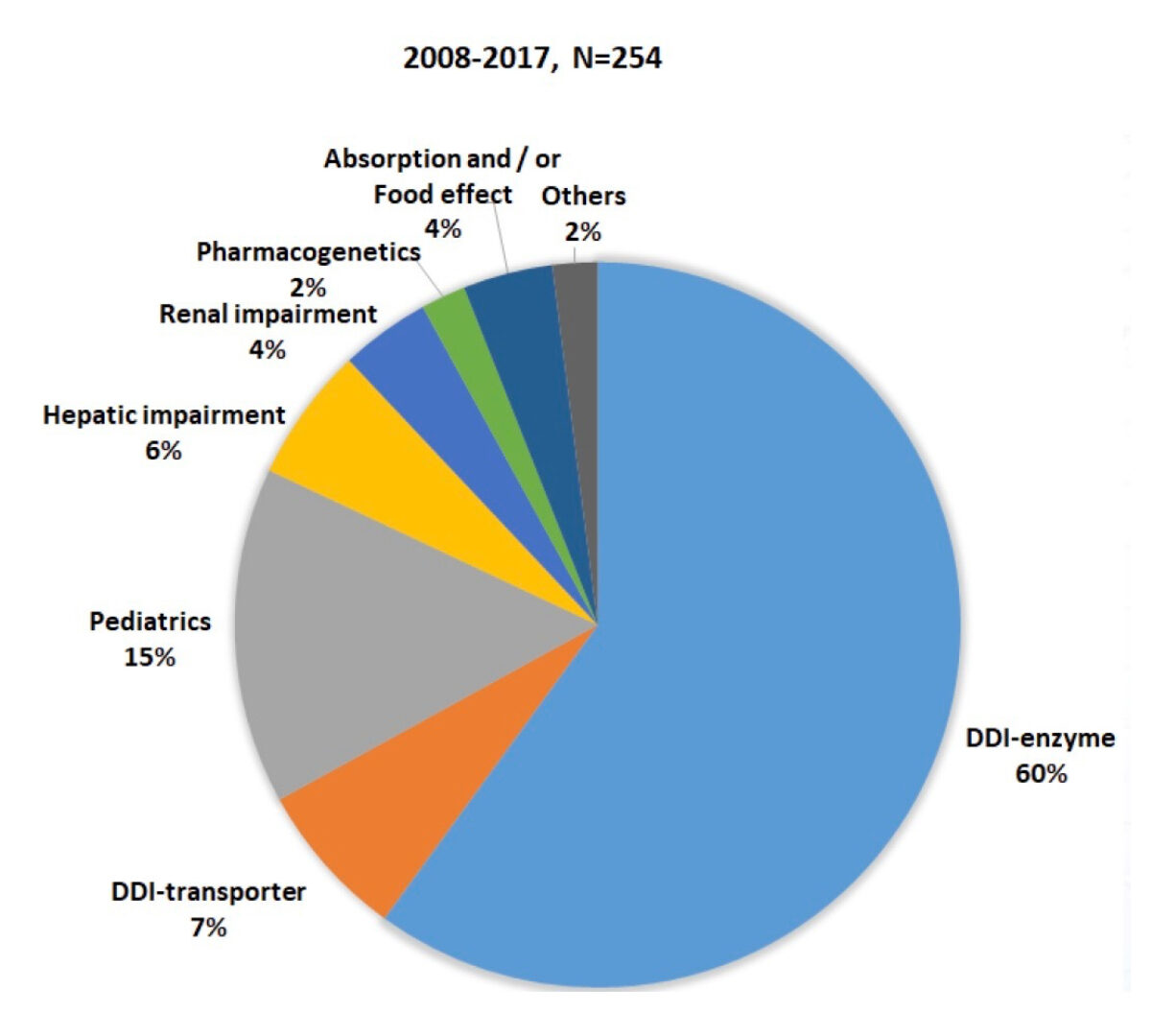
PBPK in Drug Development and Regulatory Decision-Making: Past, Present, and Future
The Journey of PBPK M&S Applications in Drug Development and Regulatory Submissions
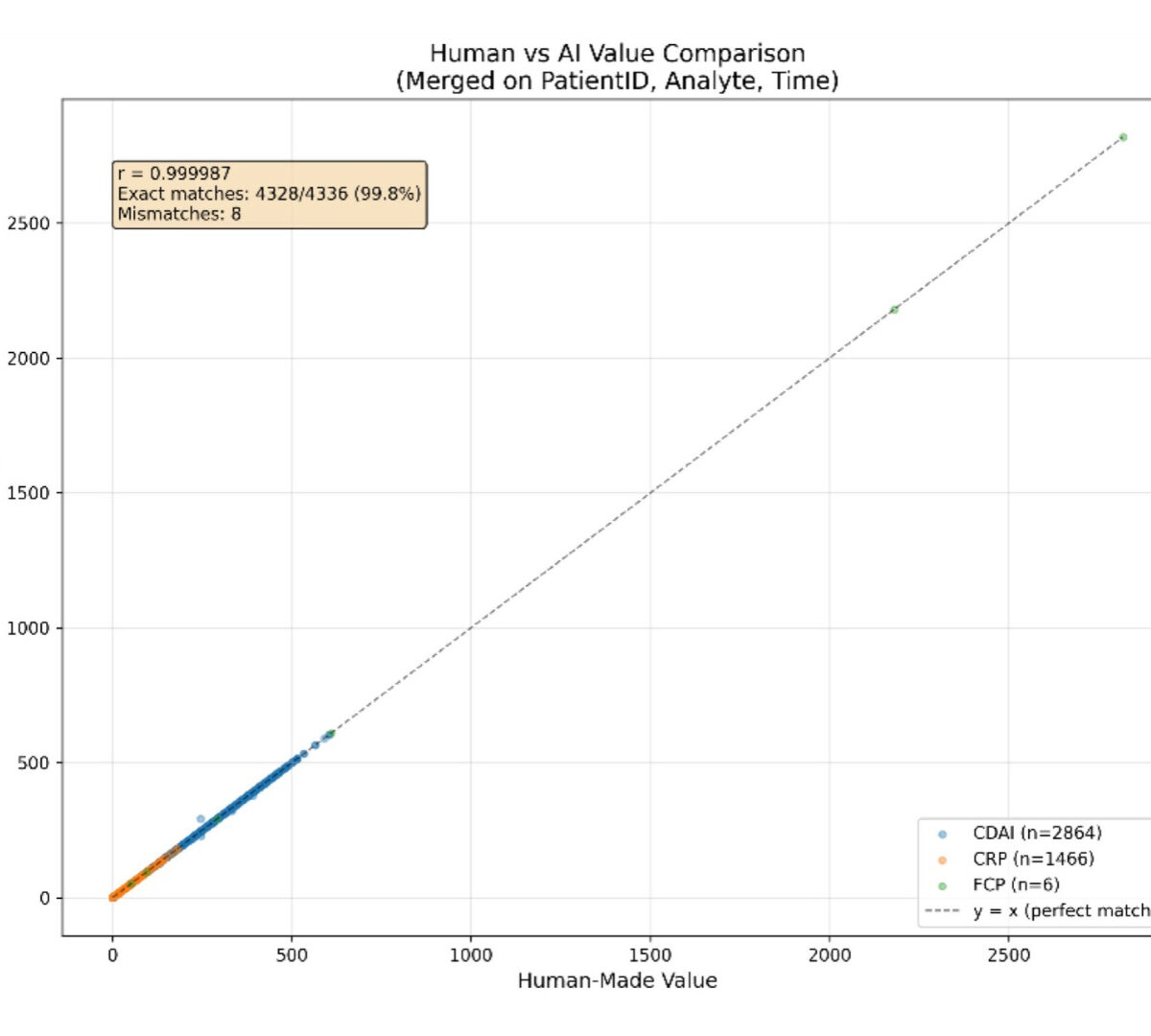
Modelling-in-the-Loop as a New Paradigm for Quantitative Systems Pharmacology
QSP Workflow: Where Can AI Help?

State-of-the-Art on Tissue Partitioning and Volume of Distribution Predictions
Mechanistic (semi-mechanistic) methods are available to predict tissue partitioning (Kp) and Vss from compound properties and tissue physiology.
Strategic Considerations for Bridging Drug Delivery Devices: PBBM-Enabled Assessment of Formulation/Device Changes
Typical Phases of Drug Development and When Device Bridging Considerations Arise
Harmonization of Mechanistic Model Performance Evaluation: An Industry Perspective
Surveyed recently published PBPK applications (January 2025–June 2026) in EMA and FDA assessments
Derisking Formulation Strategies Using PBBM: Mechanistic Case Studies on Evaluating Food Effects and Guiding Dissolution Specifications
Understand how PBBM mechanistically integrates formulation dependent processes—such as dissolution, precipitation, gastrointestinal transit, and metabolism—to simulate oral drug absorption under varying prandial conditions.
AI-Driven Knowledge Management in PBPK Modeling: Challenges & Opportunities
High-quality data is the foundation of every major AI advance
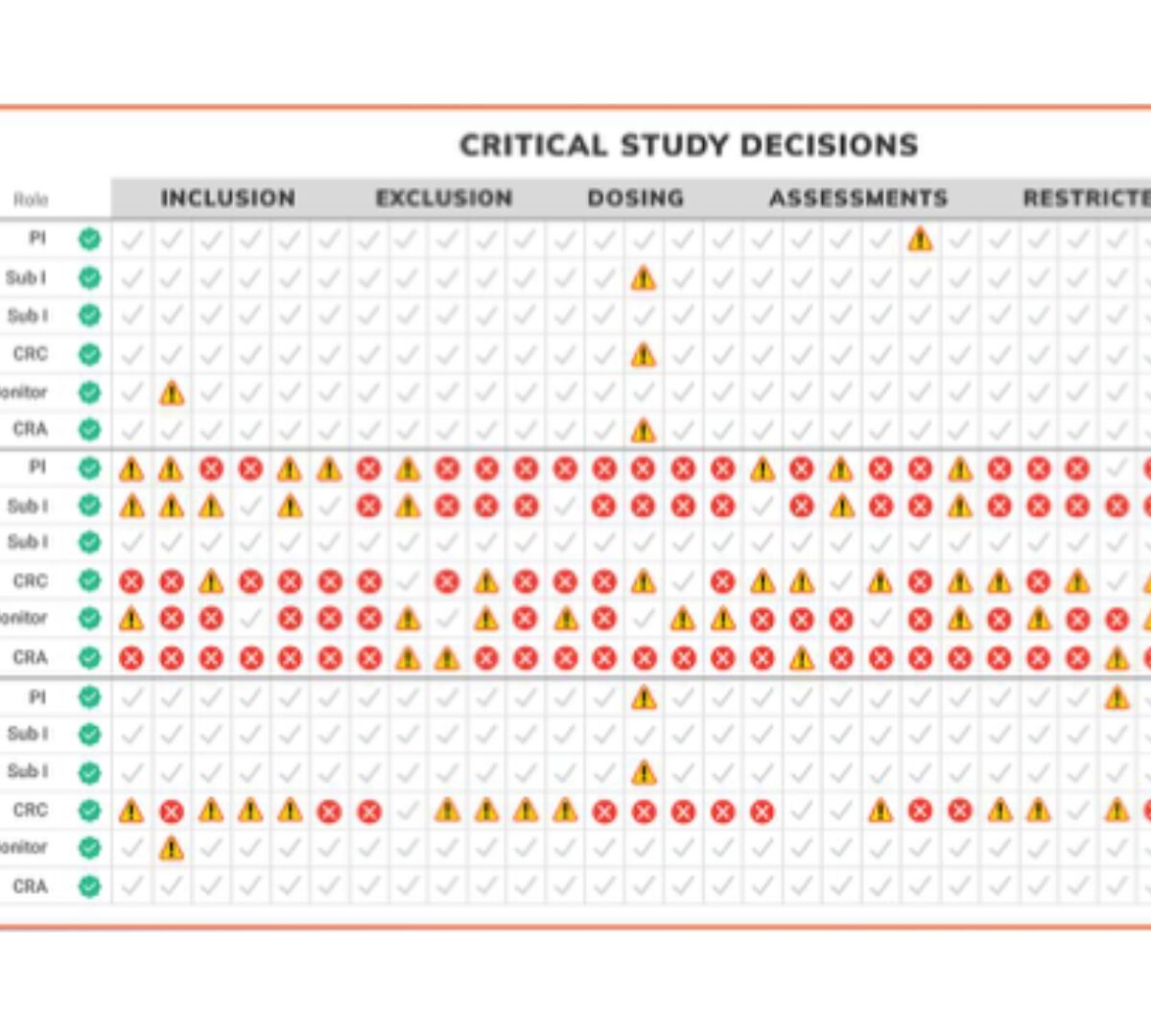
The Impact of Simulation-Based Learning on Study Acceleration: Spoken from the Sponsor who Converted
Enhancing Training to be a personalized, representative and interactive strategic asset
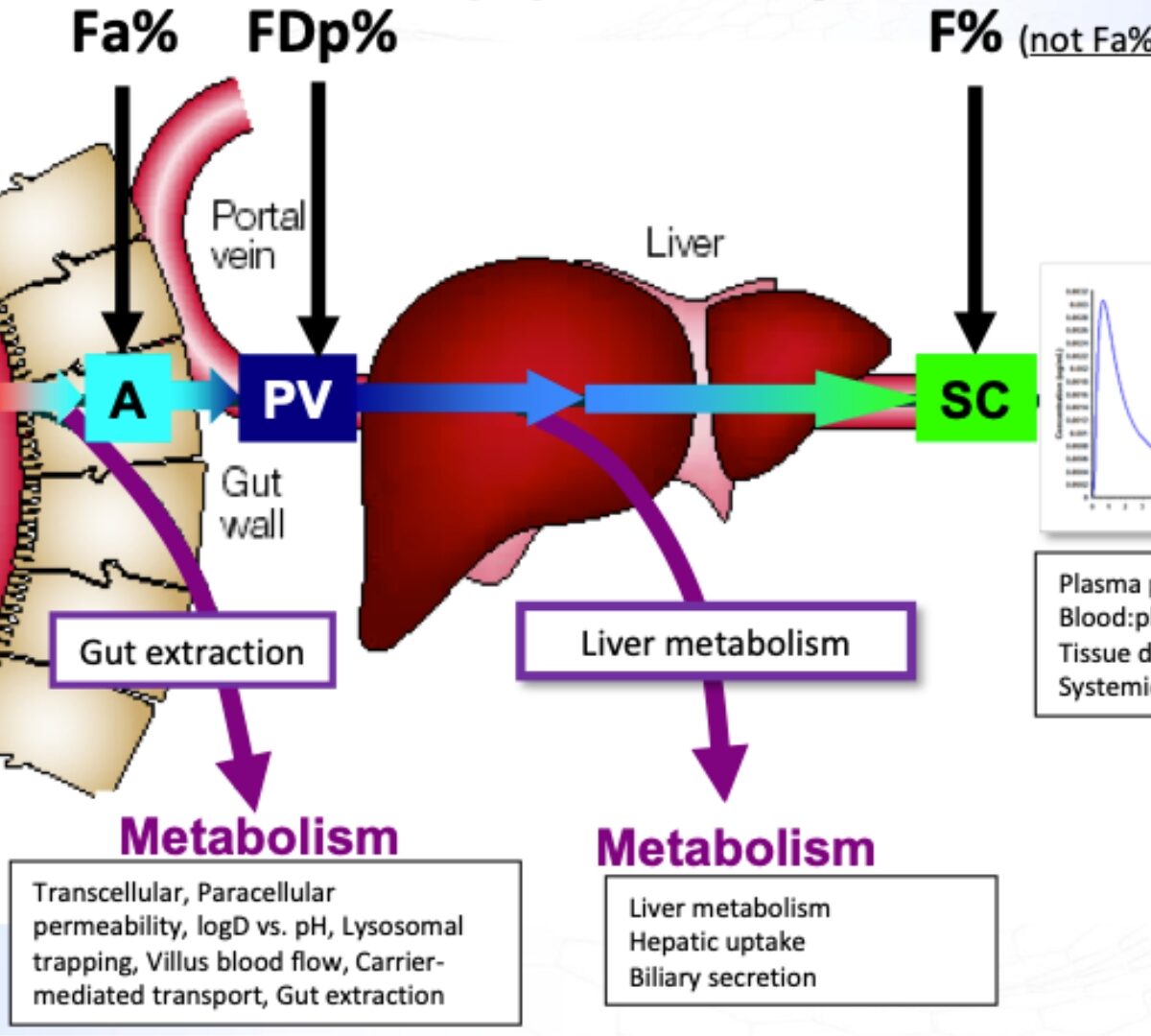
Basics of PBPK Modelling and Introduction to GastroPlus® X & its integration with AI
Overview of Mechanistic Processes in GastroPlus®
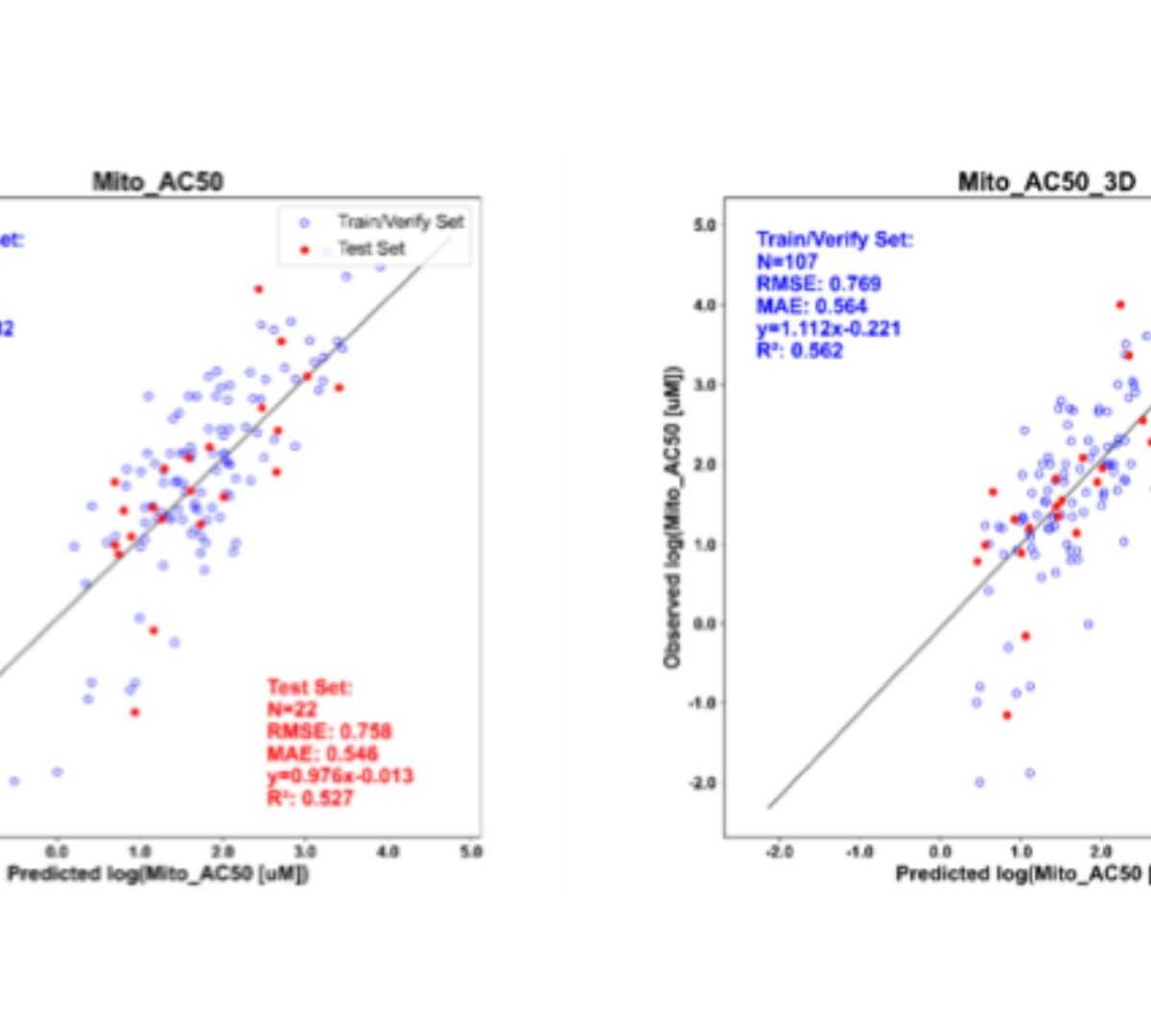
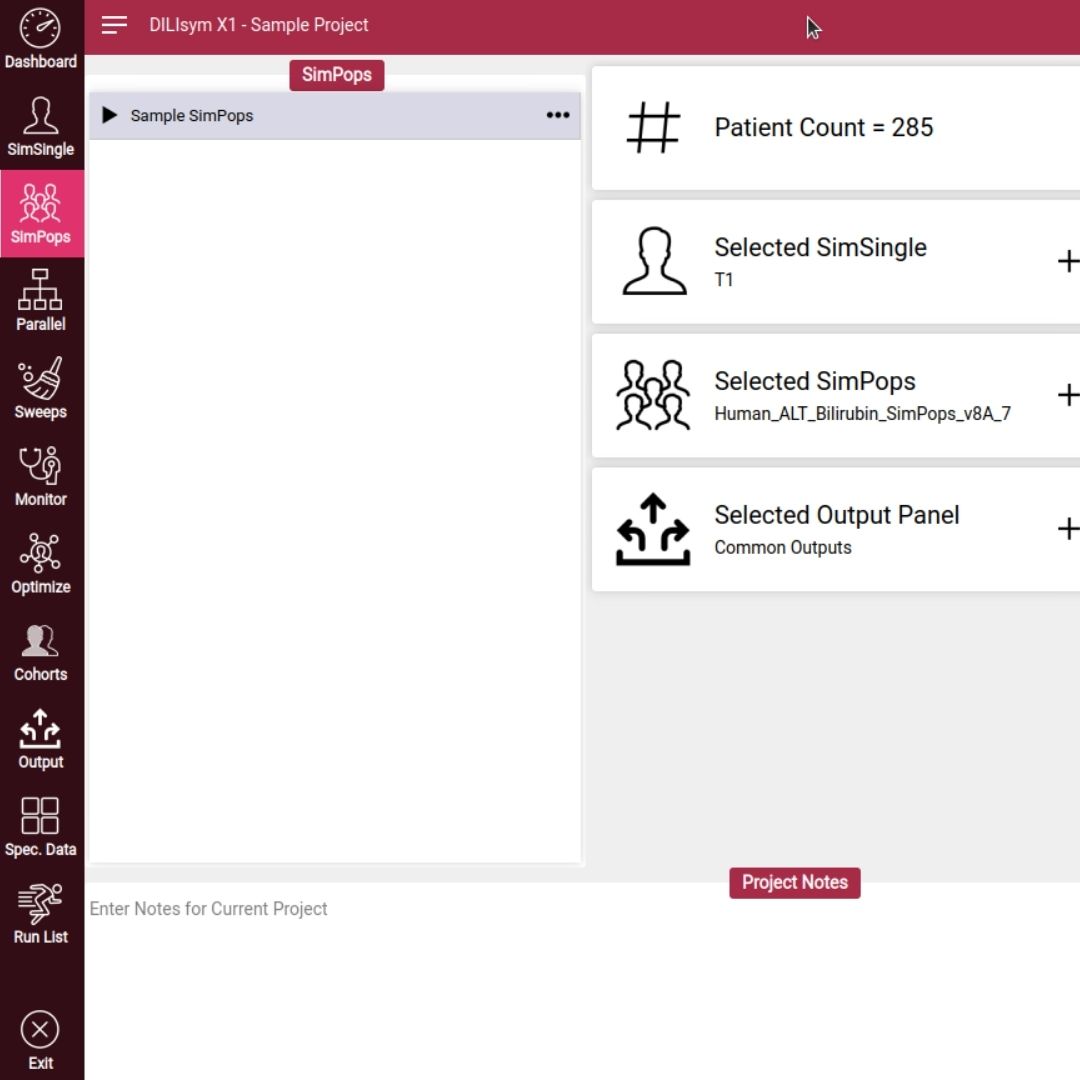
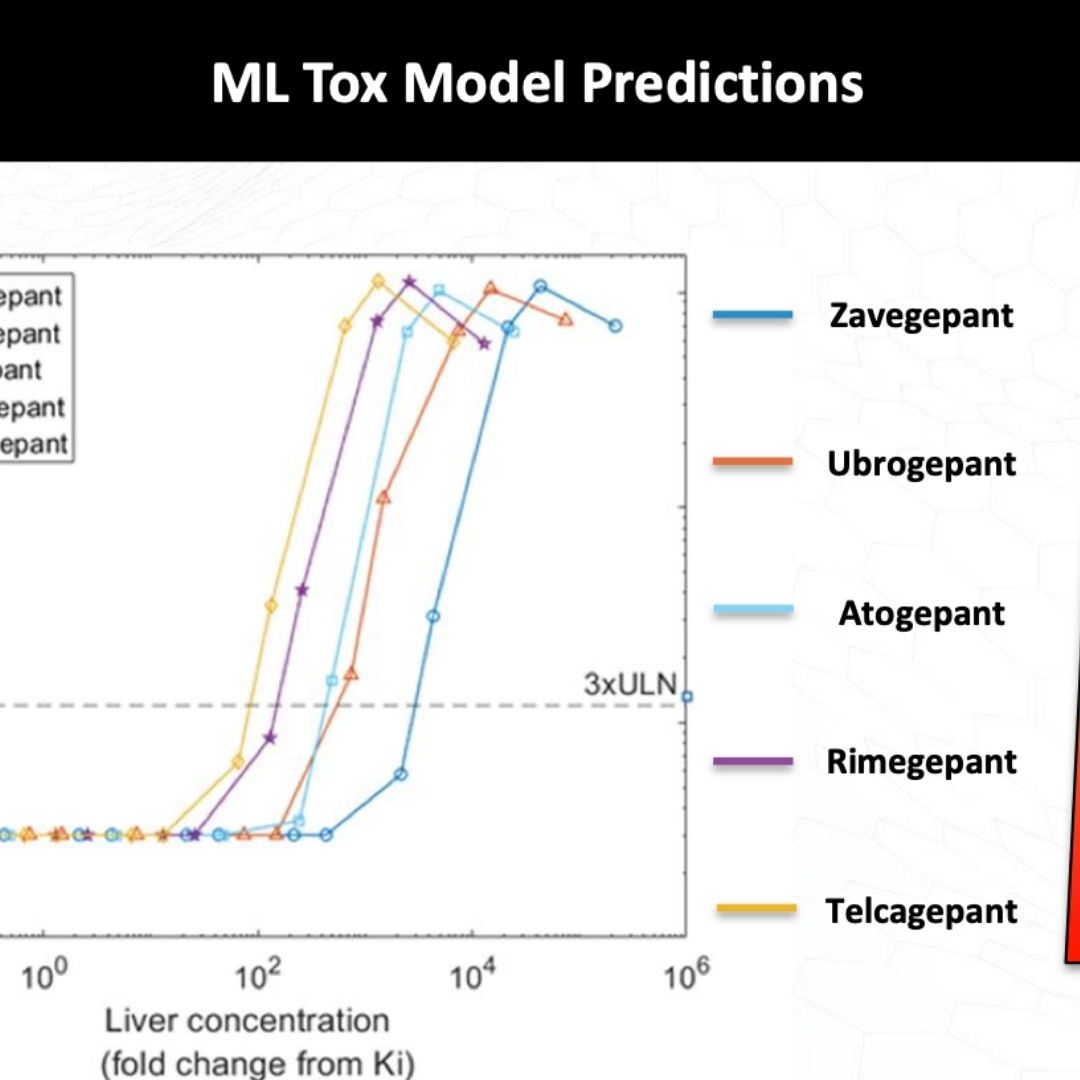
Application of Quantitative Systems Toxicology and Machine Learning Models in the Assessment of Drug-Induced Liver Injury
The QST Model DILIsym Provides More Comprehensive Predictions of DILI Risk than Artificial Intelligence Models
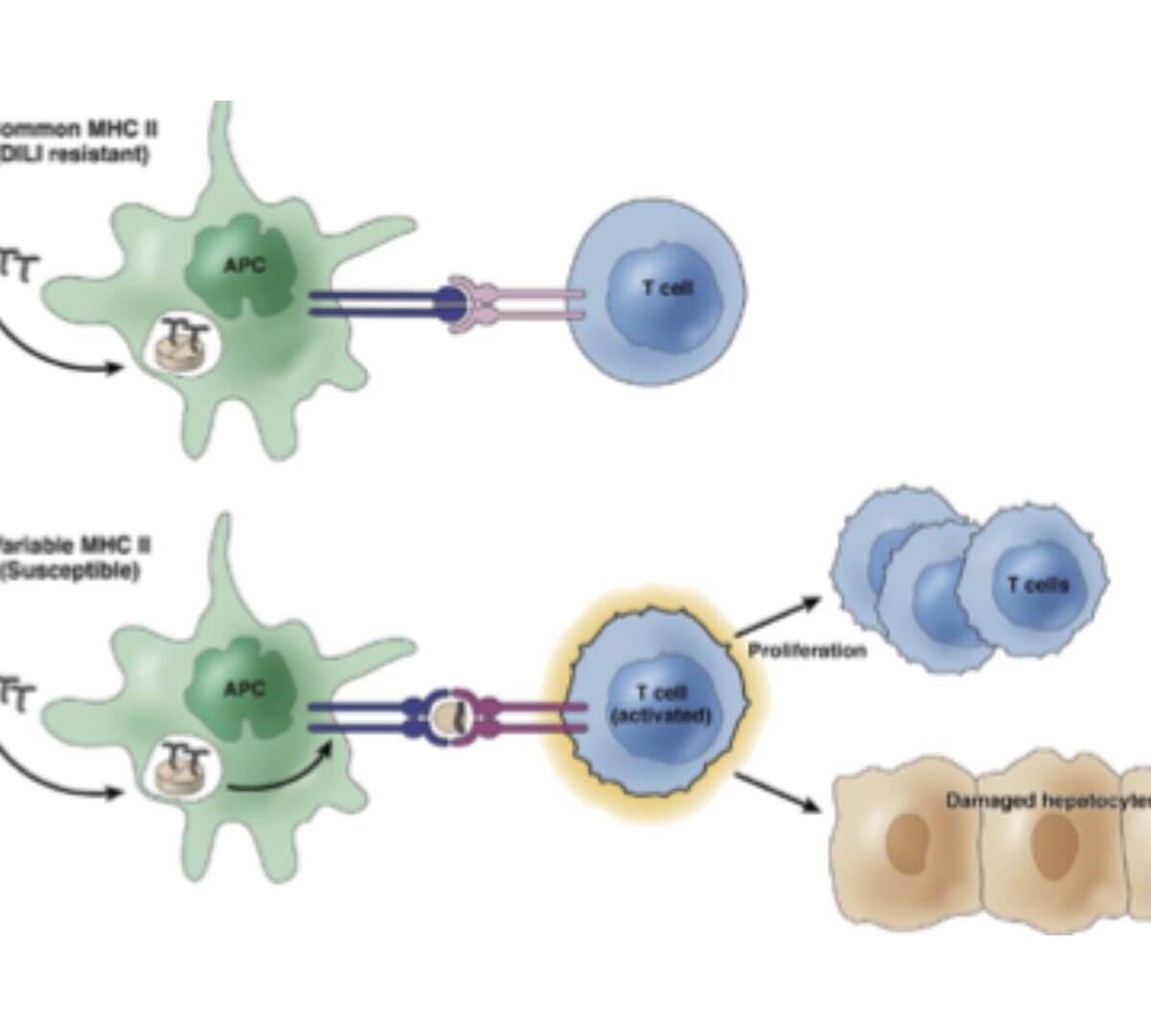
Successes and Failures of DILIsym
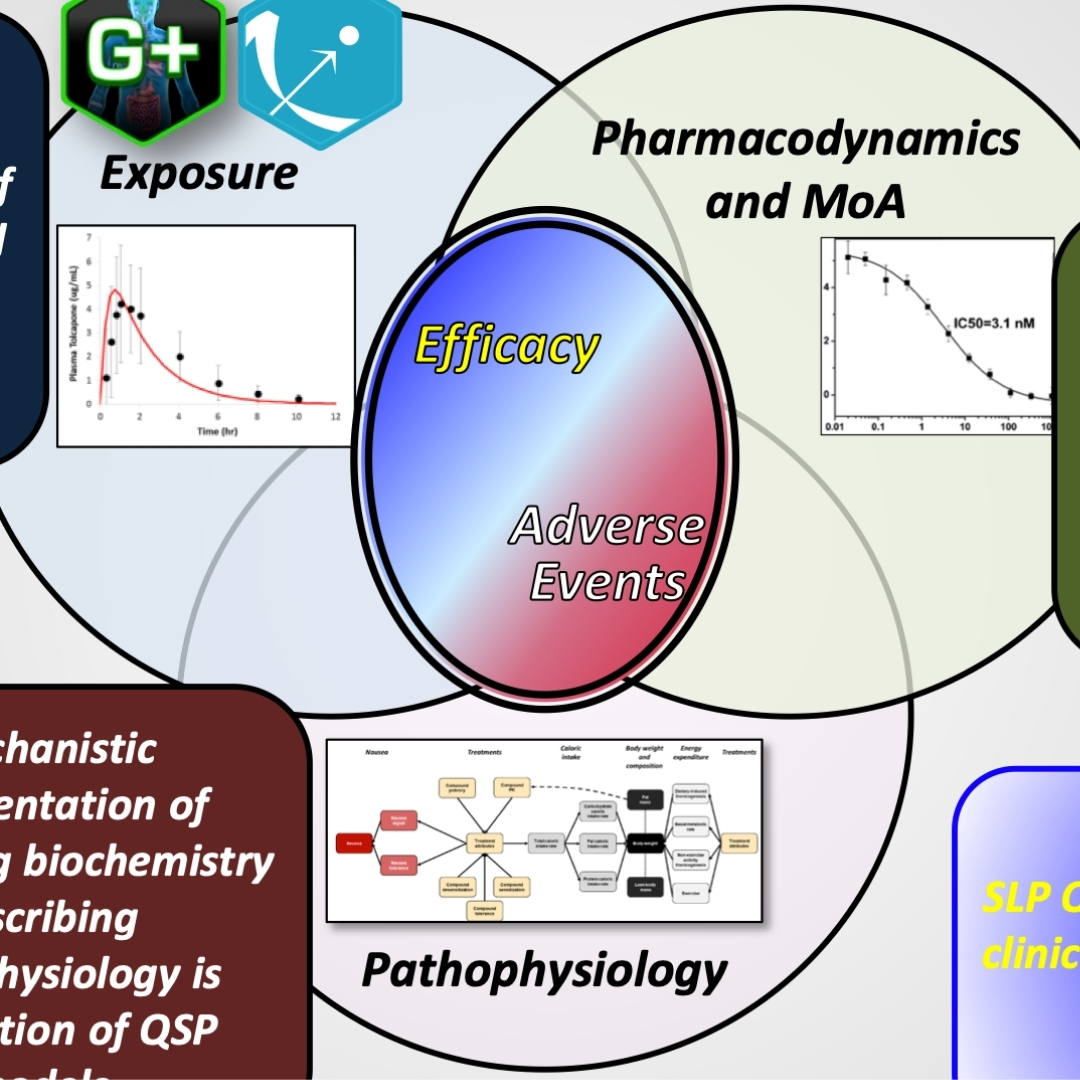
QST Models Predict Tox via the Intersection Between Exposure, Mechanisms, and Inter-Patient Variability
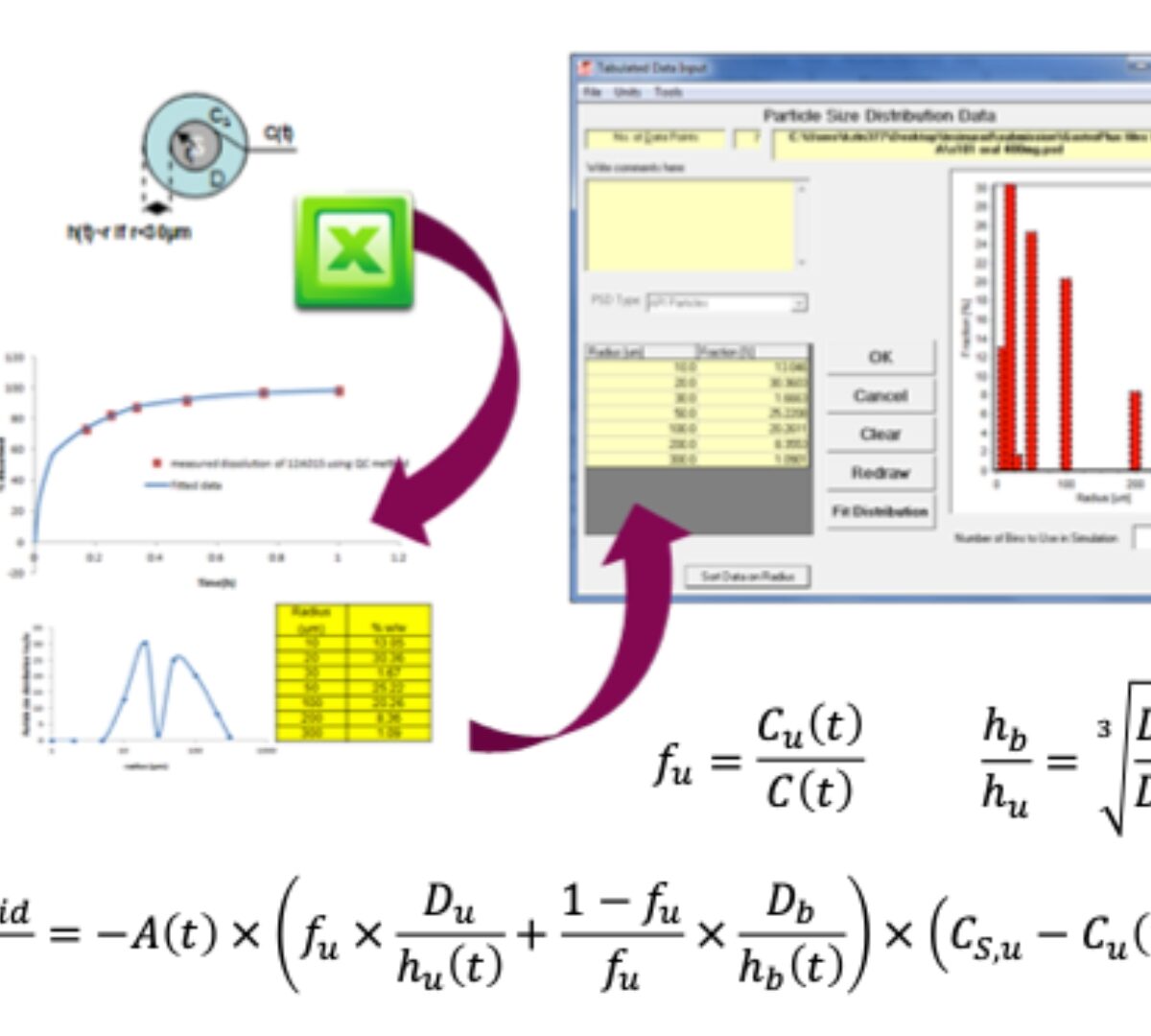
When Mechanistic IVIVC Falls Short: The Case for IVIVR in Oral Drug Delivery
Traditional IVIVC is robust for ER formulations where dissolution is rate limiting.
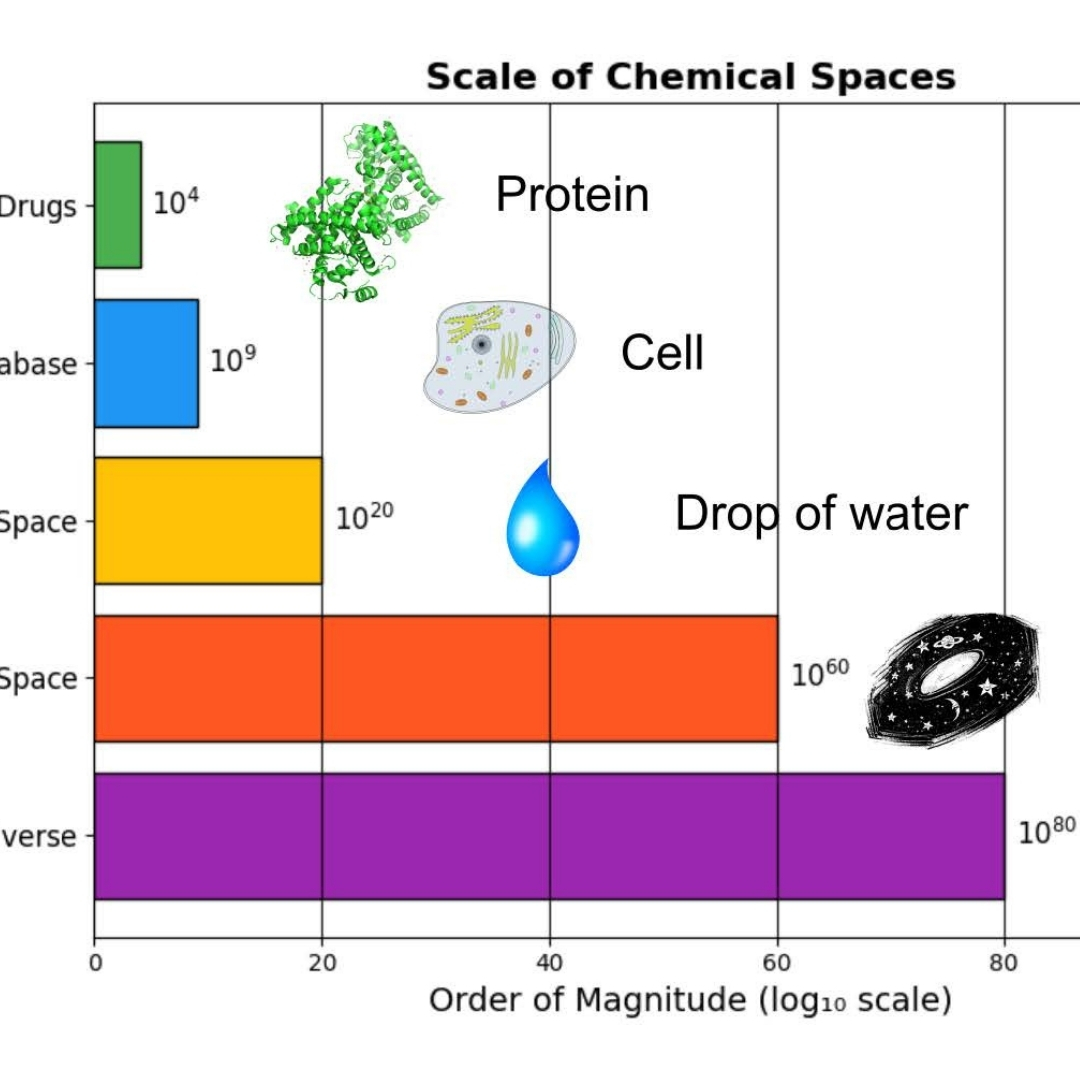
Navigating Synthon Space: Property-Driven Molecular Optimization for Pharmacokinetics
The Complexity of Chemical Space