

Discover the new functionalities of MonolixSuite 2023 in this webinar!

Simulations Plus to Present at Sidoti March Small-Cap Conference
Simulations Plus to Present at Sidoti March Small-Cap Conference
Simulations Plus Enters Partnership to Apply AI/ML Technologies to Design Novel Compounds
Promising intellectual property resulting from the collaboration with Polish Academy of Sciences will be jointly owned for further development opportunities
Physiologically Based Pharmacokinetic Modelling to Predict Pharmacokinetics of Enavogliflozin, a Sodium-Dependent Glucose Transporter 2 Inhibitor, in Humans
Enavogliflozin is a sodium-dependent glucose cotransporter 2 (SGLT2) inhibitor approved for clinical use in South Korea.
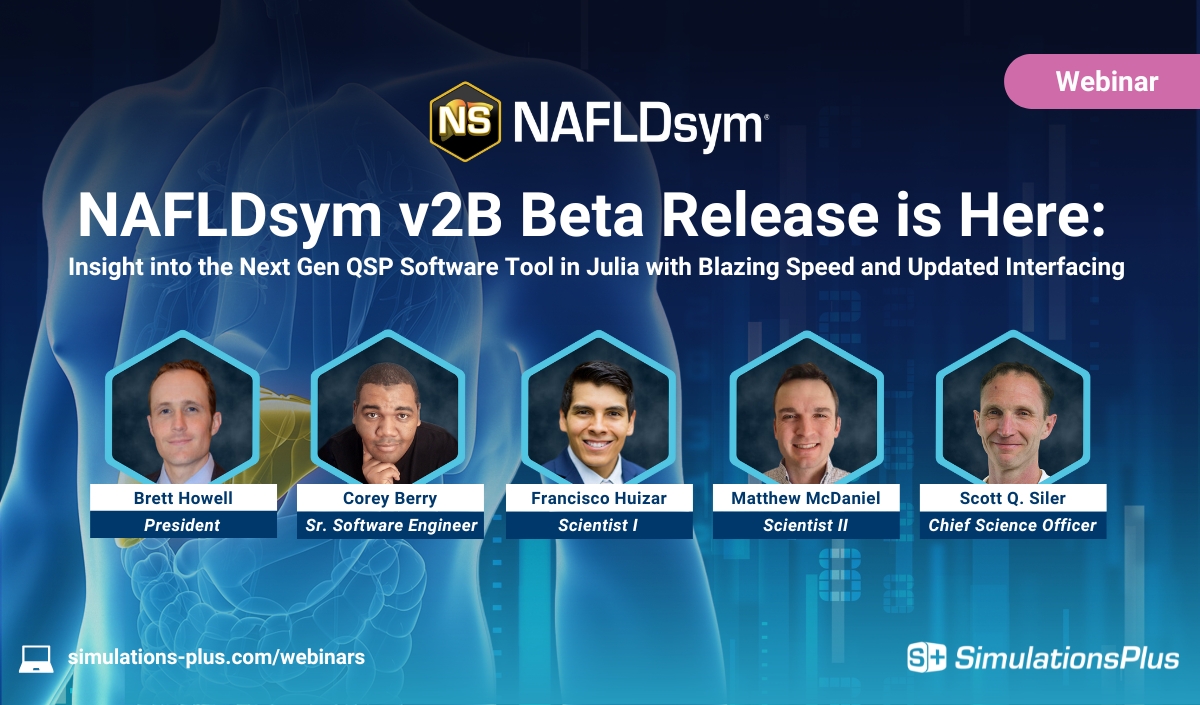
NAFLDsym v2B Beta Release is Here: Insight into the Next Gen QSP Software Tool in Julia with Blazing Speed and Updated Interfacing
Join us in this webinar to learn about the technical advances made to the NAFLDsym platform in the latest release: version 2B Beta.

March 2023 GastroPlus Newsletter
Daylight savings time is back, so spring and warm weather are not far off!
Computational Analysis and Experimental Testing of the Molecular Mode of Action of Gatastatin and Its Derivatives
Given its critical role in cell mitosis, the tubulin chain represents a viable chemotherapeutic target to solve the specificity issues associated with targeting...
Lixoft Adds New Data Formatting and Reporting Modules to MonolixSuite(TM) in Version 2023R1
Update includes enhanced PKanalix, Monolix, and Simulx modules

March 2023 News/Events
MIDD+ 2023 sessions are now available for playback in our Resource Center
Simulations Plus to Present at Oppenheimer 33rd Annual Healthcare Conference
We announced that management will be presenting at Oppenheimer’s 33rd Annual Healthcare Conference taking place virtually from March 13-15, 2023.
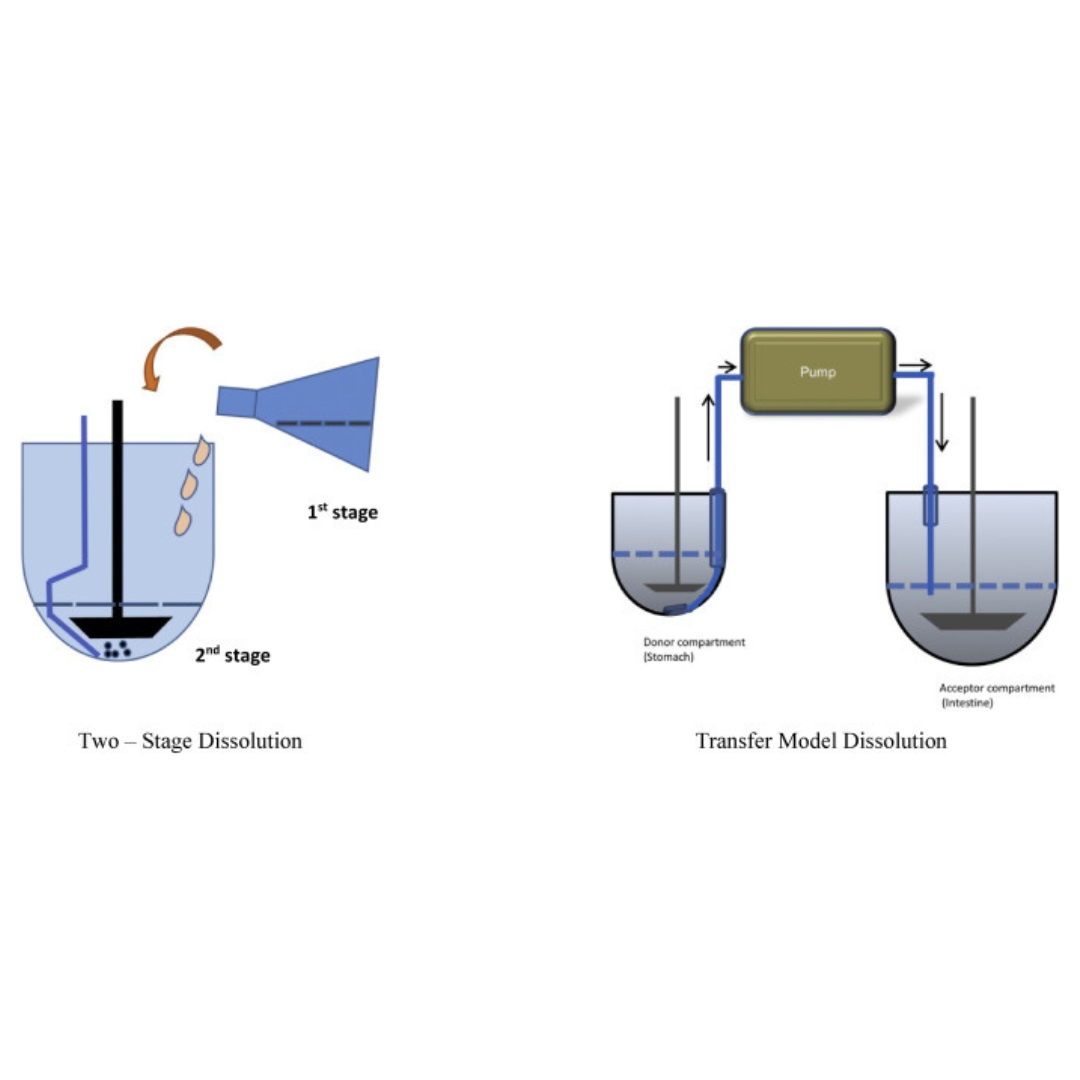
Evaluation and prediction of oral drug absorption and bioequivalence with food-druginteraction
This article reviews the impacts on the in vivo prediction of oral bioavailability (BA) and bioequivalence (BE) based on Biopharmaceutical classification systems (BCS)...
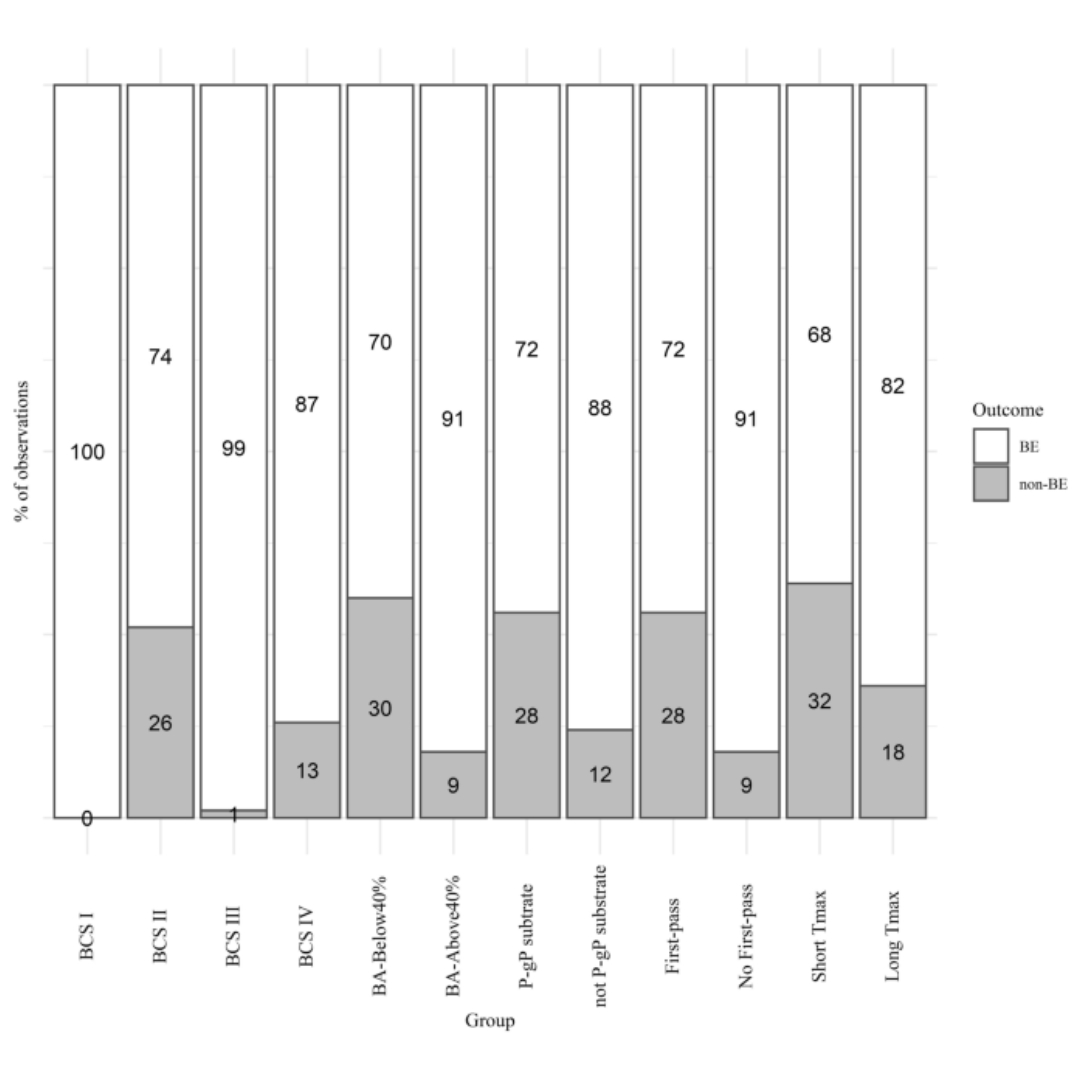
Predictive Potential of BCS and Pharmacokinetic Parameters on Study Outcome: Analysis of 198 In Vivo Bioequivalence Studies
Understanding predictive potential of parameters to perform early bioequivalence (BE) risk assessment is crucial for good planning and risk mitigation during product...
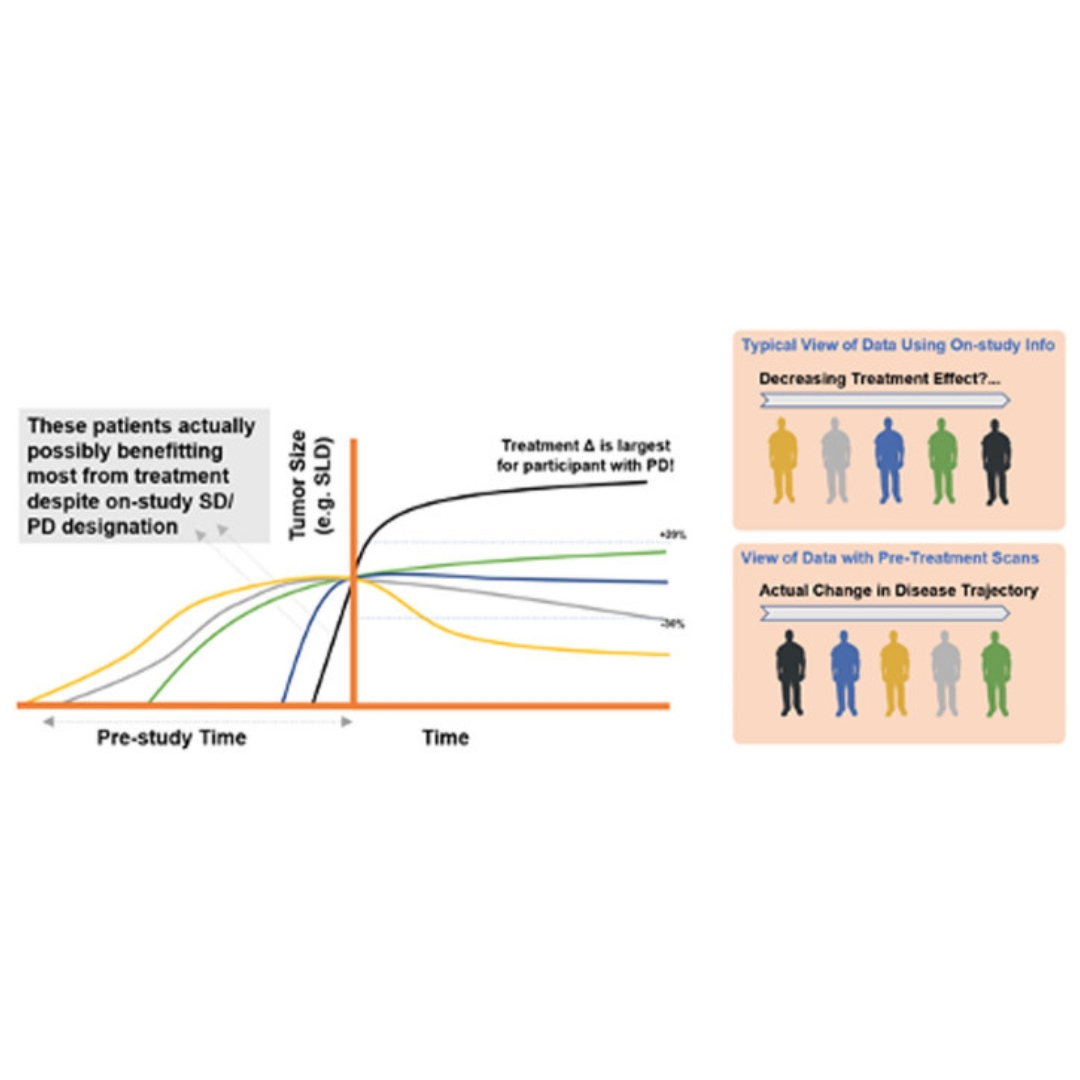
A comprehensive regulatory and industry review of modeling and simulation practices in oncology clinical drug development
Exposure-response (E-R) analyses are an integral component in the development of oncology products.
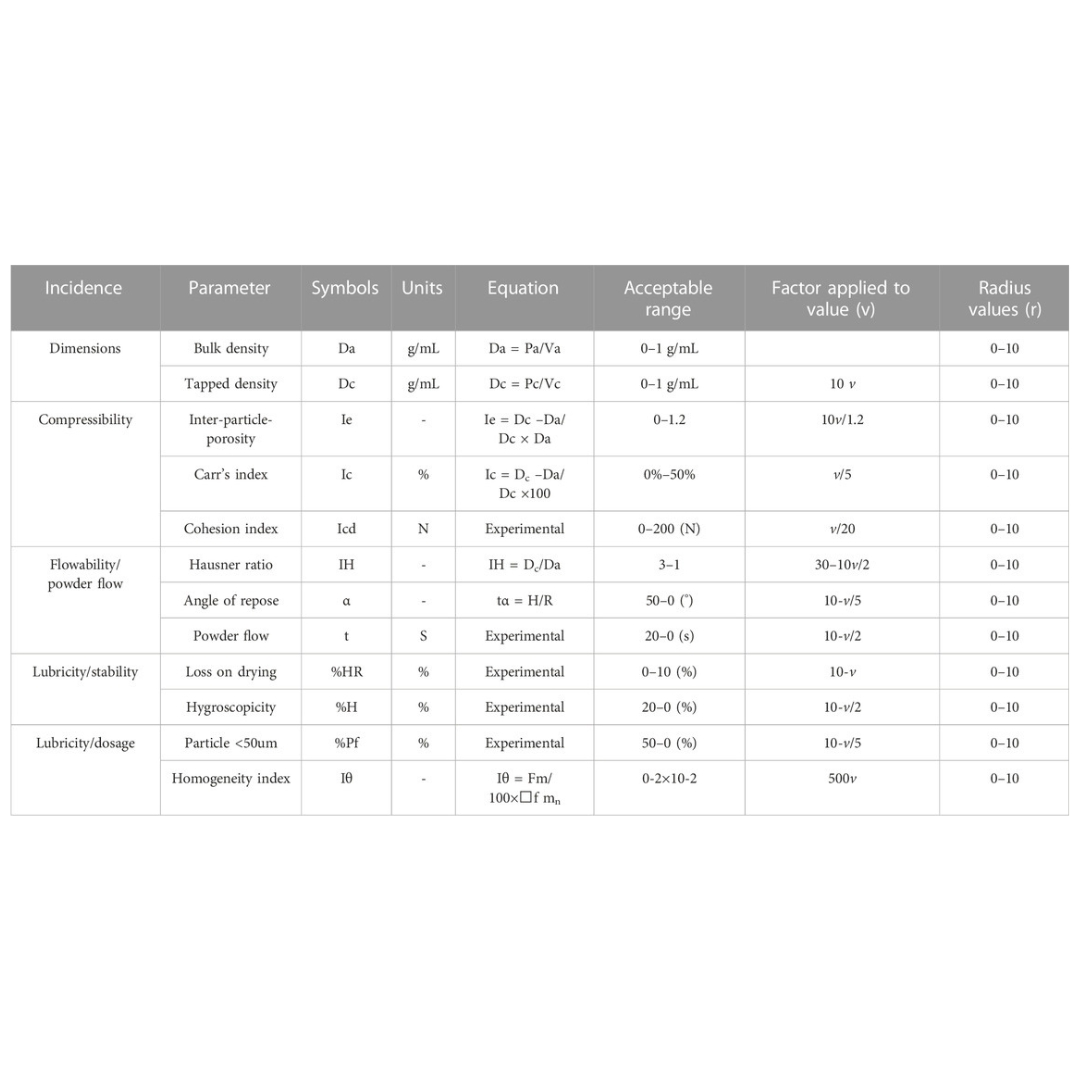
SeDeM expert system with I-optimal mixture design for oral multiparticulate drug delivery: An encapsulated floating minitablets of loxoprofen Na and its in silico physiologically based pharmacokinetic modeling
Introduction: A SeDeM expert tool-driven I-optimal mixture design has been used to develop a directly compressible multiparticulate based extended release minitablets...

Physiologically Based Pharmacokinetic Modeling Characterizes the Drug-Drug Interaction Between Saxagliptin and Rifampicin in Patients With Renal Impairment
The aim of the present study is to develop physiologically based pharmacokinetic (PBPK) models for saxagliptin and its active metabolite, 5-hydroxy saxagliptin...
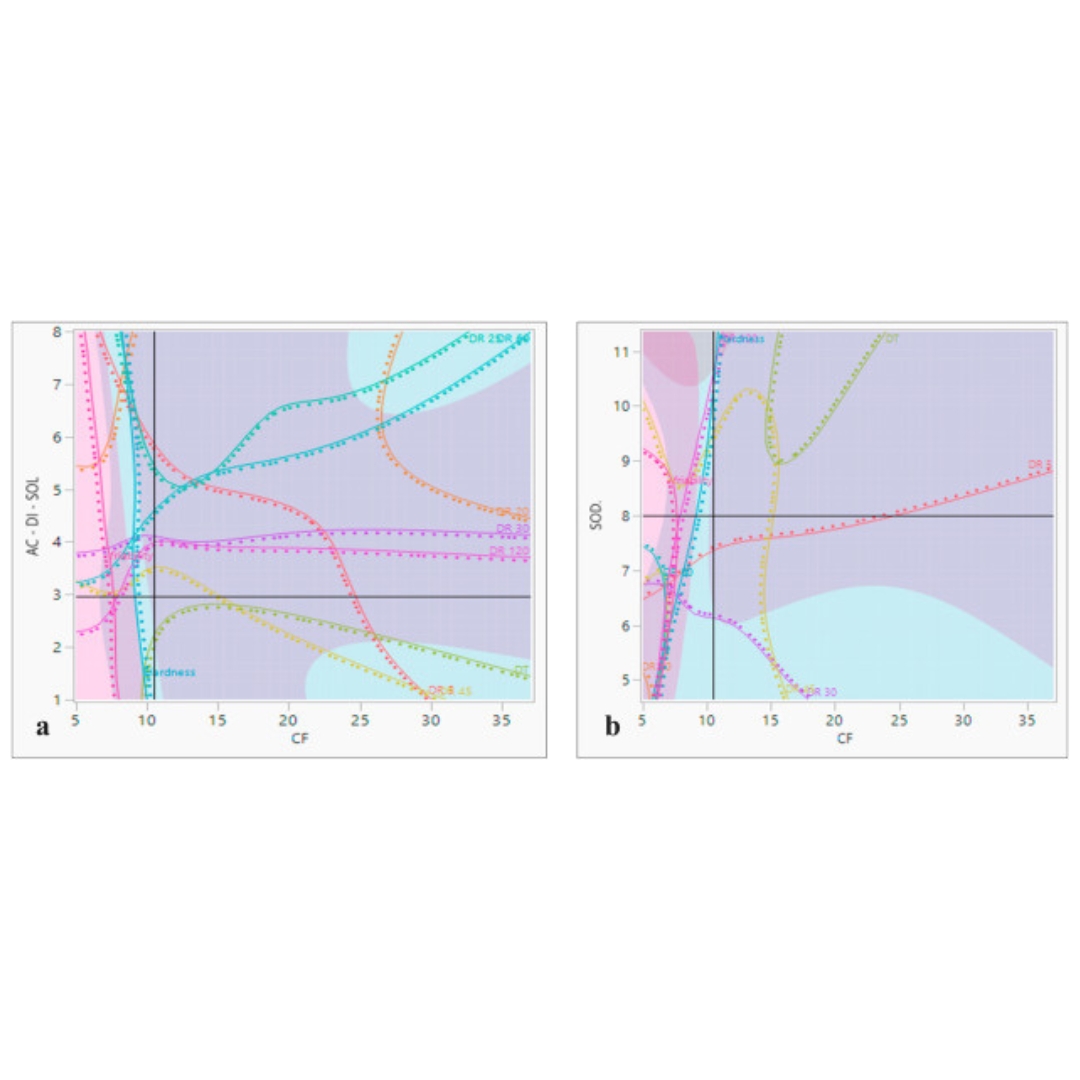
A hybrid framework of artificial intelligence-based neural network model (ANN) and central composite design (CCD) in quality by design formulation development of orodispersible moxifloxacin tablets: Physicochemical evaluation, compaction analysis, and its in-silico PBPK modeling
The objective was to apply the CCD-ANN system to design a QbD-based orodispersible tablet (ODT) of Moxifloxacin. The data sets of the trial formulations...
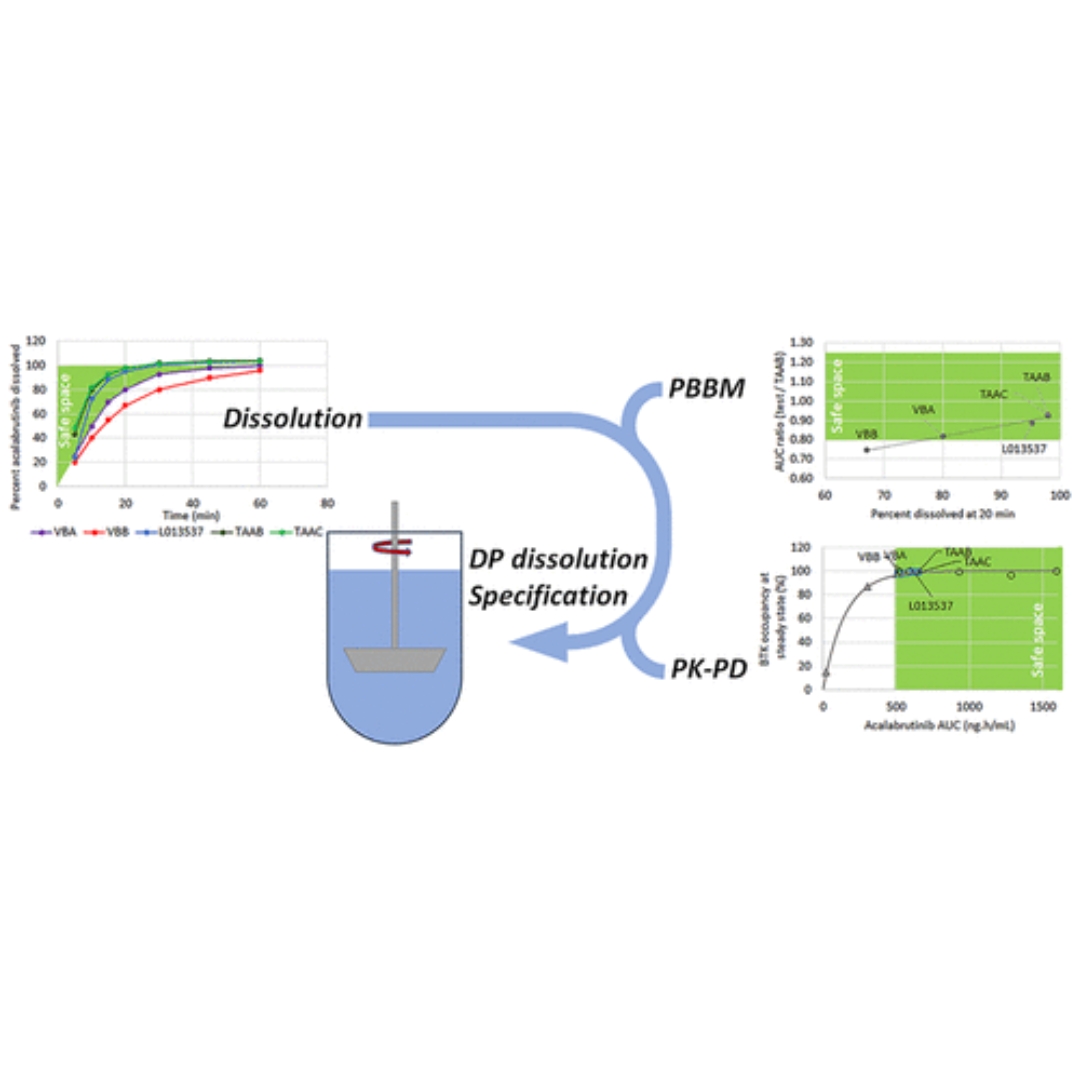
Acalabrutinib Maleate Tablets: The Physiologically Based Biopharmaceutics Model behind the Drug Product Dissolution Specification
Acalabrutinib maleate tablets correspond to an improved formulation compared to acalabrutinib capsules as they can be dosed with and without acid reducing agents...
Probability of Target Attainment Analyses to Inform Ceftolozane/Tazobactam Dosing Regimens for Patients with Hospital‐Acquired or Ventilator‐Associated Bacterial Pneumonia and End‐Stage Renal Disease Receiving Intermittent Hemodialysis
ASPECT-NP, a phase 3 trial of ceftolozane/tazobactam in hospital-acquired/ventilator-associated bacterial pneumonia (HABP/VABP), excluded patients with...
Simulations Plus to Present at Raymond James 44th Annual Institutional Investors Conference
Management will be presenting at the Raymond James & Associates’ 44th Annual Institutional Investors Conference, scheduled for March 5-8, 2023, at the JW Marriott Grande Lakes in Orlando, Florida.
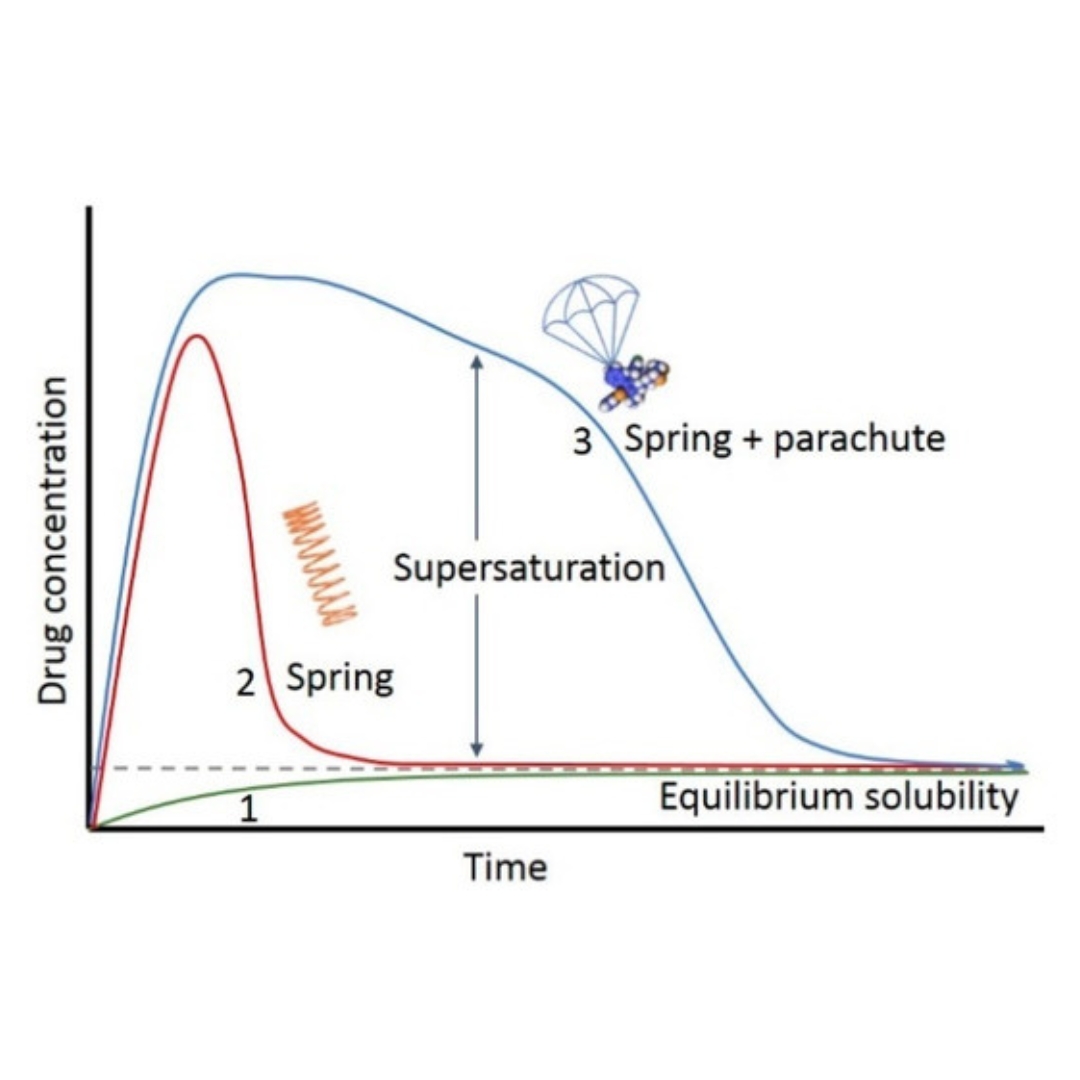
Supersaturation and Precipitation Applicated in Drug Delivery Systems: Development Strategies and Evaluation Approaches
Supersaturation is a promising strategy to improve gastrointestinal absorption of poorly water-soluble drugs. Supersaturation is a metastable state and therefore dissolved...